
Pineapples You Could Rent, Mate
Category: Culinary Chaos 1st June 2026
Imagine turning up to a dinner party and the main course is a pineapple... on a plinth. Nobody's touching it. They're just looking. Admiring it like it's a telly. In the 18th century in Britain and Europe, pineapples were so rare and costly that folk didn't buy them to eat; they hired them as centrepieces to show everyone they had made it. You could rent a pineapple for an evening, parade it about, and then send it back like a borrowed tie.
They weren't sending for Tesco. These were tropical miracles grown in fancy stoves and greenhouses by gardeners who looked after them like babies. For most people a pineapple was the culinary equivalent of a Rolls-Royce on your driveway you never drive. People paid a lot to have one sitting on the table because it said: I have money, and I have a gardener who knows how to keep complicated fruit alive.
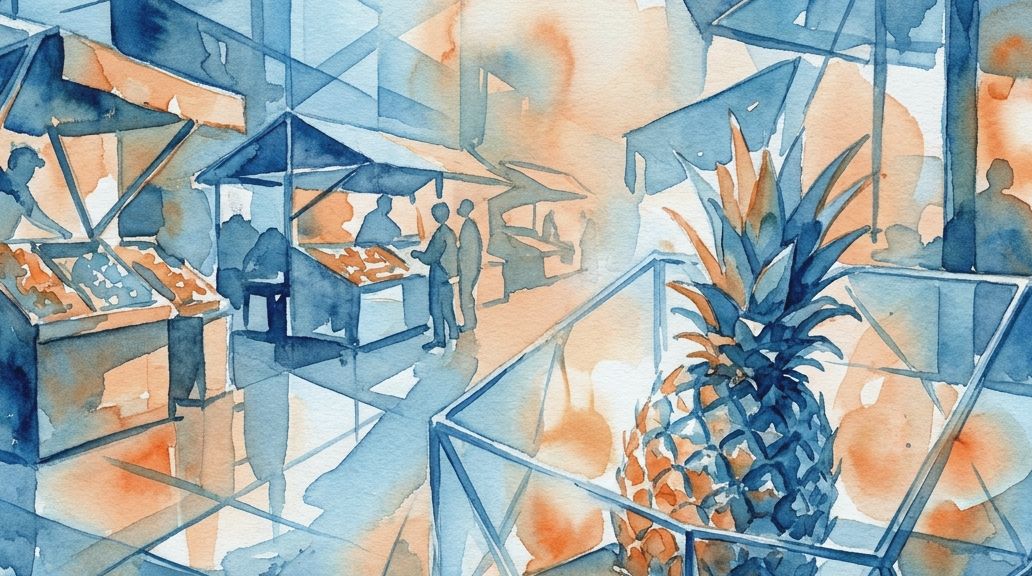
And here's the daft bit: often the pineapple was admired more than eaten. Guests took pictures in their heads. Sometimes the host would let someone have a slice at the end if they fancied a nibble, but mostly the fruit stood there doing its posh pineapple thing. It was hospitality theatre. A bloke hiring a pineapple is like someone today hiring a stunt double to cut the cake for you. Why bother? Pride, innit.
I remember years ago someone telling me about old houses with a pineapple carved over the front door. That wasn't decorative taste; it was a quiet: welcome, and also I can afford exotic fruit. The pineapple became shorthand for wealth and generosity. Bit daft when you think about it. You pay good money to show off something you could eat, and then you don't eat it. It's like paying for the cinema and watching the adverts twice.
Still, you've got to admire the commitment. They grew exotic fruit in boilers and glass, hired it out for a night, and called it manners. Proper culinary chaos. Makes you grateful for the days when food's allowed to be food and not a posh bit of interior design.