
That Cathedral With Giant Stone Scissors
Category: Architectural Wonders 5th June 2026
Listen, there is a proper weird bit of architecture tucked away in Somerset that looks like someone fixed a building with a pair of gargantuan garden shears. Wells Cathedral, right in the middle, has these X-shaped stone braces crossing the nave like two blokes trying to hold up a pub roof after a late night. They call them scissor arches.
They didn't add them for the vibe. The central tower was starting to crack and sag in the 14th century. Rather than pulling everything down and starting again, the masons did something clever and a bit daft-looking at the same time. They stuck these intersecting arches into the piers under the tower to tie the whole thing together and stop it nosediving through the ceiling.
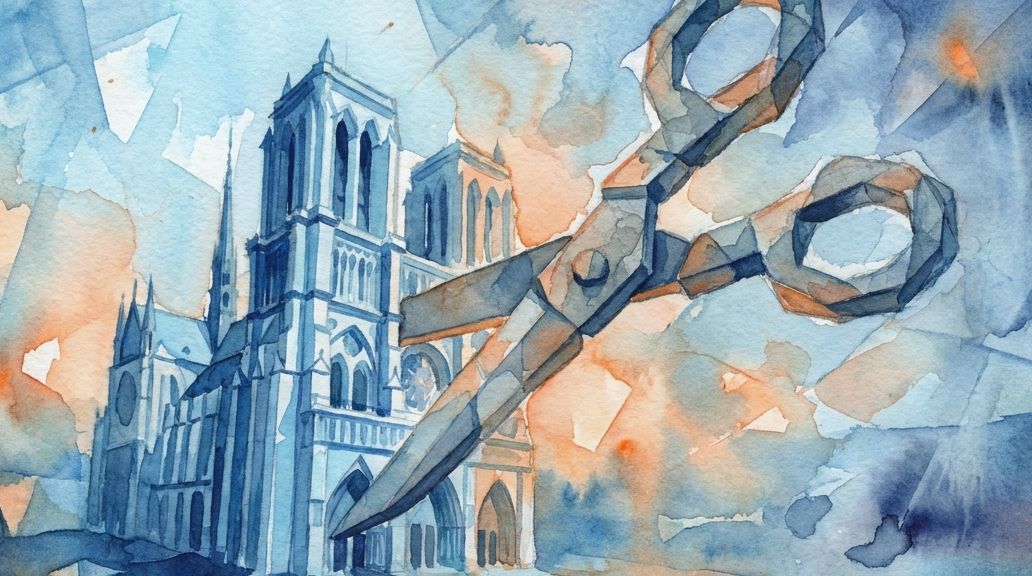
Technically, it's brilliant. The scissor arches channel the weight and the sideways forces outwards, so the tower settles without ripping the church apart. It's like tying a parcel with a big stone ribbon. You can point at it and laugh, then you notice the math behind it and feel a bit small.
They were designed, as the books say, by the cathedral's master mason in the mid-14th century. And look, that's medieval engineering for you: no computers, just heads, ropes, geometry and the occasional wobble. They had to be practical. If your bell tower is about to do a kamikaze through the roof, you invent a solution that looks ridiculous and it works. Sorted.
People go and gawp at Gothic flying buttresses abroad, but the scissor arches have that local charm. Up close they look absurdly decorative; from a distance they make the interior feel like a stage set where the props are heroic attempts at crisis management. Proper theatrical.
I once stood under them and thought about modern architects who spend a fortune on glass boxes. This lot used stone, stuck two Xs in the middle, and saved the cathedral for another six hundred years. I reckon that's worth a pint of respect. Also, who doesn't love the idea that a cathedral's interior holds the architectural equivalent of duct tape? It's effective and a bit lovely in its own stubborn way.