
They Really Put Waterloo In Your Mouth
Category: Victorian Weirdness 13th June 2026
Remarkably, Victorian dentistry had a habit of borrowing from the dead and calling it progress. For decades in the nineteenth century, dentures were not merely carved from ivory or whalebone; they were sometimes fitted with entire human teeth, sold on an open market under the sobriquet "Waterloo teeth."
The name is literal enough: after the bloodbath at Waterloo in 1815 there was an unfortunate surplus of freshly loose molars and incisors, and enterprising individuals-gruesomely efficient entrepreneurs-collected teeth from battlefields, graves and casualty tents. These teeth were cleaned, matched, and sold to dentists and prosthetists who promised a natural look that porcelain or ivory could not quite mimic.
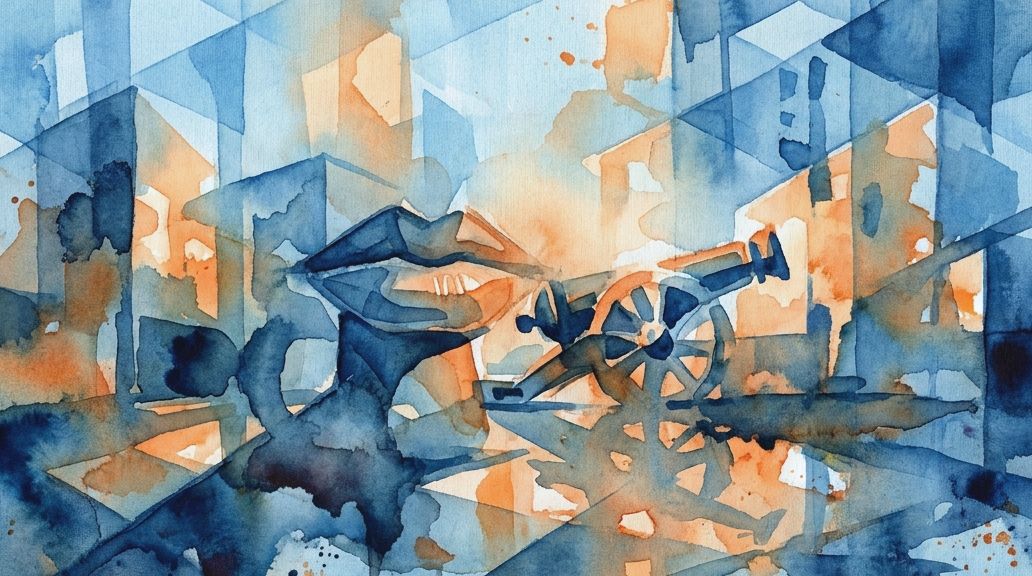
One must admire the Victorian ability to combine national trauma, commerce, and cosmetic necessity into a neat product category. If you wanted a particularly heroic canine, you could pay a premium. The trade lurched on into the mid-Victorian period; until cheaper manufactured substitutes like vulcanite and porcelain improved, human teeth were a desired material for upper-class dentures because they looked, in plain language, like real teeth.
How did polite society reconcile this? With the usual Victorian tactics: euphemism, paperwork, and a fierce look of propriety. The dealers were discreetly called brokers, the purchasers called craftsmen, and the whole affair was wrapped in a ribbon of genteel silence. To be fair, this was also a time when cadavers were scarce for medical schools, so the same networks supplying bodies for anatomy lectures occasionally supplied front-row seats for your smile.
There is an odd intimacy to the fact: imagine sipping tea and discovering your molar once charged a musket. It reads like a ghastly joke, were it not a sober fact recorded in dental manuals and contemporary memoirs. Museums and specialist collections still display examples, if one has the stomach for period dentistry and the patience for old-world politeness.
In short: the Victorians were brilliant at making the practical horrific and the horrific practical. Your ancestor's gleaming teeth might very well have marched, bled, and been bartered before being trimmed to fit a respectable grin. How very efficient of them, and how dreadfully inconvenient for anyone hoping a smile was purely symbolic of happiness rather than poor supply-chain management.