
Victorian Doctors Invented the Vibrator (and Didn't Mention It at Dinner)
Category: Victorian Weirdness 6th June 2026
Strangely, the Victorians solved one of medicine's awkward chores with brisk engineering and a proper Victorian lack of embarrassment about paperwork. 'Hysteria' was a catchall diagnosis for a baffling array of female complaints - fainting, irritability, sleeplessness - and one common therapy was direct pelvic massage by a doctor until a 'hysterical paroxysm' occurred. Read that as you will.
It was honest, hands-on medicine, and it was tedious. Doctors grew weary of performing these repetitive, intimate manipulations, so enterprising minds began to look for mechanical assistance. The result was a family of percussive and later electric devices invented in the late 19th century for legitimate medical uses: to relieve muscle pain, treat circulatory complaints, and generally stop a physician's wrists from becoming arthritic.
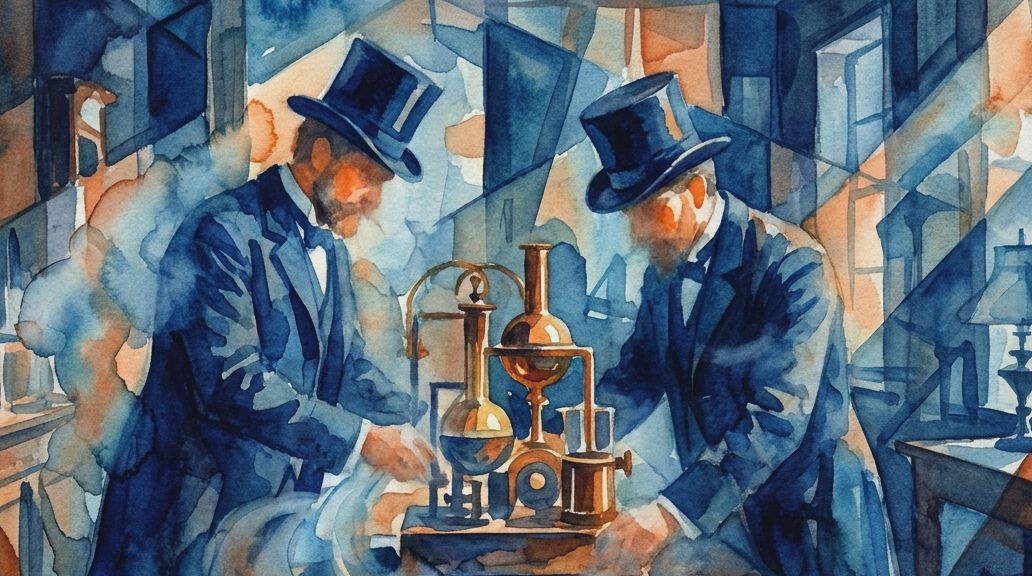
One of the better documented figures is Joseph Mortimer Granville, an English physician who in the 1880s promoted a percussion instrument - an early electromechanical massager - aimed at muscular ailments. Granville insisted it was nothing to do with anything indecent and indeed warned against using it for 'that purpose'. He was a man of principle and great denial.
Historians have since shown how these devices slid sideways from medical curiosity into the realm of pelvic therapy for women diagnosed with hysteria. Clinics and medical manuals describe manual massage; the machines merely made the job quicker and less awkward for the practitioner. Later, as the 19th century became the 20th, similar devices were marketed as domestic 'massagers' for tired limbs and general wellbeing. Packaging preferred words like comfort and circulation over explicit instruction - which is a Victorian way of giving advice and then leaving you to work it out.
The whole business is a delicious Victorian tableau: corsets, moral rectitude, and then a quietly humming gadget behind a closed door. It's proof that inventions do not always arrive with fireworks and fanfare; sometimes they show up because someone got fed up doing a dull, sweaty job with their hands and thought, "There must be a motor for that."