
Phossy Jaw: When Matches Ate Faces
Category: Victorian Weirdness 17th May 2026
Regrettably, Victorian industrial optimism had a habit of turning simple conveniences into private tragedies. One of the most grotesque examples is 'phossy jaw' - a terrible necrosis of the jaw suffered by workers who made matches with white phosphorus. It is exactly as ghastly as it sounds and, yes, the bones could glow in the dark like a conscience with poor lighting.
White phosphorus was cheap, oily and horribly effective at making match heads ignite. The men and, far more often, the young women and girls who worked in match factories handled the stuff day after day, inhaled its fumes and absorbed it through their mouths and cuts. Over weeks and months this poisoned the jawbone: painful swelling, pus-draining sinuses, teeth falling out, and exposed necrotic bone. The smell was reported as sulphurous and unbearably clinical; the clinical reports, depressingly, read like an inventory of indignities.
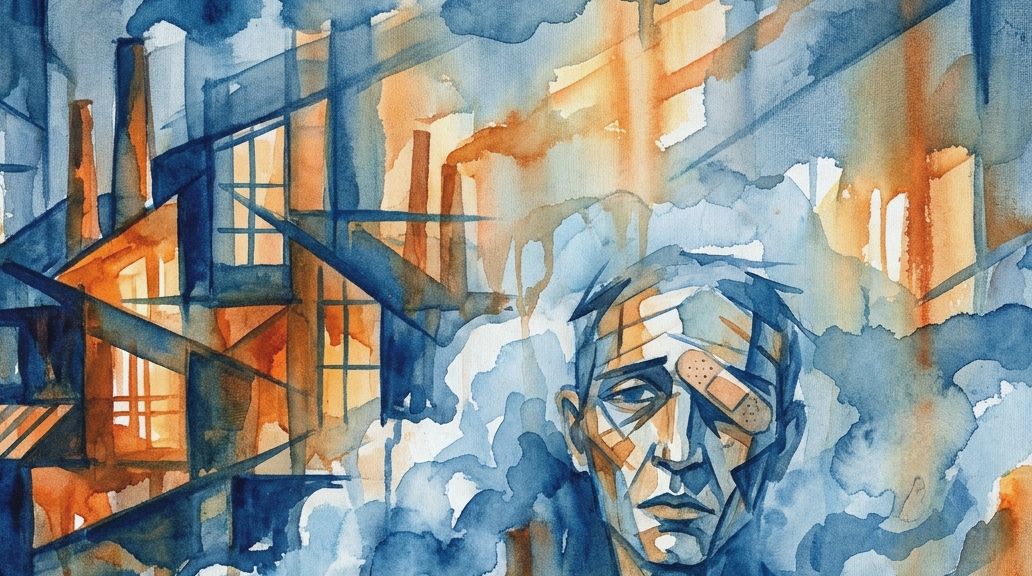
What makes the story quintessentially Victorian is the combination of bright technical triumphs and glacial bureaucratic response. Employers preferred economies of production to human faces, medical knowledge was partially culpable and the law shuffled along like a sleepy footman. Public scandals and labour actions eventually forced reforms - protests, campaigning physicians and the matchworkers' own organising shamed governments and manufacturers into phasing out white phosphorus in favour of far safer compounds in the early twentieth century.
There is something deliciously absurd about a civilisation that will cheer at a lighting demonstration and then politely ignore the people whose jaws are dissolving because they made it possible. The image of a jaw faintly phosphorescent in a midnight tenement is equal parts scientific note and gothic metaphor - and it strained the era's taste for decorum. If you care for human folly, it is a crisp reminder that progress often arrives with a receipt written in someone else's suffering.
And for anyone tempted to romanticise the era: the match that struck your morning candle may well have owed its existence to a very human, very ugly piece of industrial negligence. It is not glamorous. It is not noble. It is, frankly, a scandal that glows.