
Ortolan: The Tiny Bird They Ate Whole
Category: Culinary Chaos 8th July 2026
Imagine a dinner where the main course is a fattened songbird, the table talk is polite cruelty, and the finishing flourish is disappearing under a napkin like youre on some secret mission. That, in a nutshell, is the ortolan: a tiny bunting captured, force-fed or kept in darkness to plump up, drowned in Armagnac or other brandy, roasted whole and then eaten in a single, shamefully joyous mouthful.
The ritual is theatre. The diner tilts the roasted bird headfirst into the mouth, bones and all, then covers their head with a napkin. Some claim the cloth traps the aromas, concentrating the scent so the taste explodes; others say its about hiding the sin from God while you commit gastronomic excess. Both explanations are deliciously pretentious and about as believable as a polite apology from a fox.
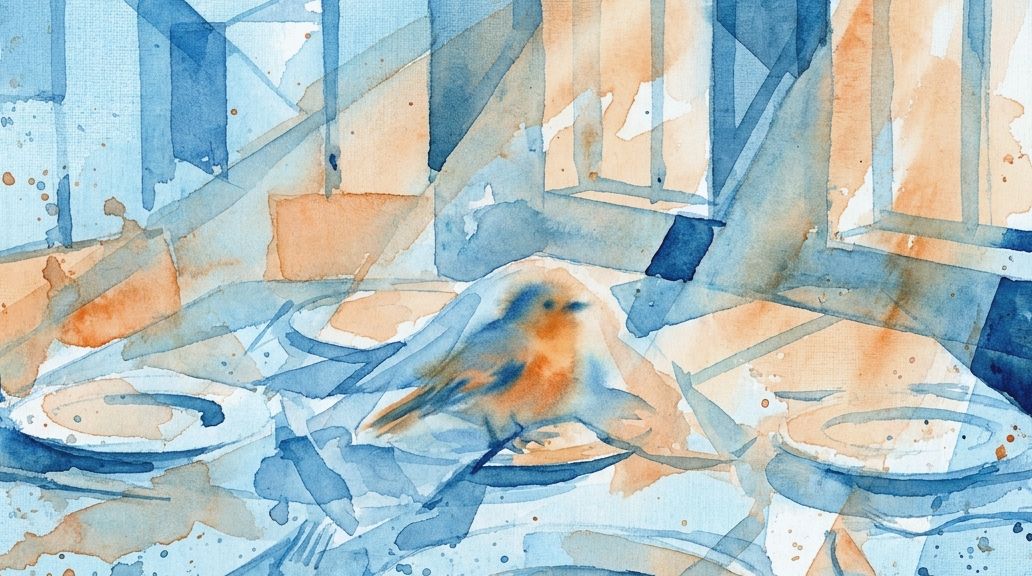
Preparation varied. Hunters took migrating ortolans, confined them to tiny dark boxes so they stuffed themselves into fatness, then drowned them in Armagnac or left them to die while soaked in spirits. Roasting renders the little creature buttery and rich; the bones, being small and soft, are eaten too. For gourmets it was an exemplar of excess: tiny, intense, and utterly reckless with dignity.
Unsurprisingly, the curtain call for this act has not been applause. Conservationists and lawmakers intervened once populations dropped and the optics turned rotten. Today the ortolan is protected and its commercial trade is forbidden in many places - yet the ritual persists in whispers and illegal suppers, because human appetite is both inventive and shameless when given champagne money and privacy.
So the ortolan lives on in culinary lore as a perfect piece of chaos: an absurd, elegant, ethically dubious bite that says everything about privilege, secrecy and taste. If you crave decadence with a moral hangover, congratulations - the ortolan is your tiny, feathered confession.