
That One Spanish Town Stuck In France
Category: Geography & Maps 29th May 2026
Llivia sits like a stubborn bit of marmalade on a French scone. You drive through France, then there it is: Spanish flags, Catalan signs, tapas if you fancy. It looks Spanish because it is Spanish. Weird, innit?
Back in 1659 diplomats scribbled the Treaty of the Pyrenees and decided which villages belonged to France and which stayed Spanish. Most of the nearby villages got handed over. Llivia did not. Why? Because the treaty named 'villages' and Llivia was called a 'town' with a history and a name on paper. So while everything around it changed nationality, Llivia quietly kept its passport.
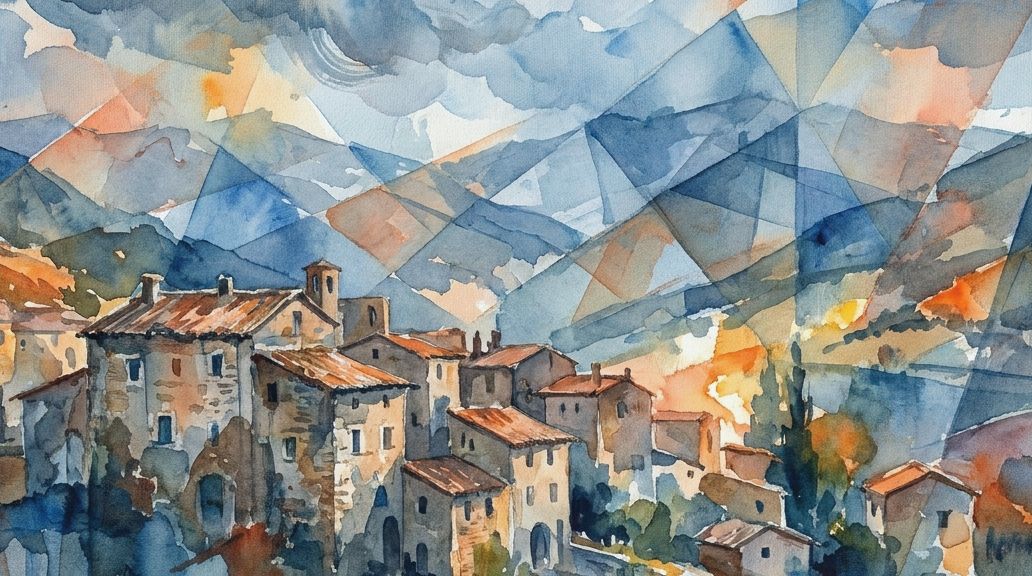
That bit of bureaucratic pedantry made Llivia an exclave: Spanish territory entirely surrounded by France. It is not massive. It is a proper medieval town with narrow streets, a Romanesque church and people who vote in Spanish elections while the postman might pop through a bit of France first. For years it had its own little customs dramas - people waving passports at hedgerows like it was a pantomime. Now, with modern Schengen ways, you barely notice the border unless someone points it out and says, 'look, there, sovereign soil.'
Maps love Llivia. Cartographers get a buzz from drawing a tiny island of Spain in a sea of France. Tourists get a laugh and a photo. Locals get annoyed when strangers ask, 'So, do you speak French or Spanish?' They speak Catalan mostly, because identity has more staying power than lines on a map.
There is something proper daft about the whole thing. A treaty from the 17th century left a bureaucratic quirk that survived revolutions, wars and motorways. All because a clerk decided towns and villages were different. You think your local council is picky? Try a century-old diplomat with a feather pen. Llivia is a reminder maps are not just rocks and rivers. They are decisions, scribbles, arguments that sometimes leave a whole town sitting where it was never supposed to be-yet stubbornly remains.