
Leafcutter Ants Run A Tiny Pharmacy
Category: The Animal Kingdom 6th June 2026
Honestly, ants doing jardiner's work is one thing, but these leafcutter geezers take it to another level. They don't just nick a bit of lettuce and scarper - entire colonies of Atta and Acromyrmex clip leaves, cart them home, chew them to mush and farm a special fungus called Leucoagaricus gongylophorus. That fungus is their dinner, properly cultivated like a tiny mushroom allotment underground.
Now here's the proper bizarre bit: the ants also carry bacteria on their bodies that make antibiotics to protect that crop. There's a genus of bacteria called Pseudonocardia living on the ants' cuticle. These microbes produce antifungal compounds that keep a parasite called Escovopsis from ruining the fungus garden. So you get leafcutter ants, a cultivated fungus they actually eat, and a bacterial workforce making medicine to stop freeloaders and pathogens. It's like a micro NHS but with mandibles.
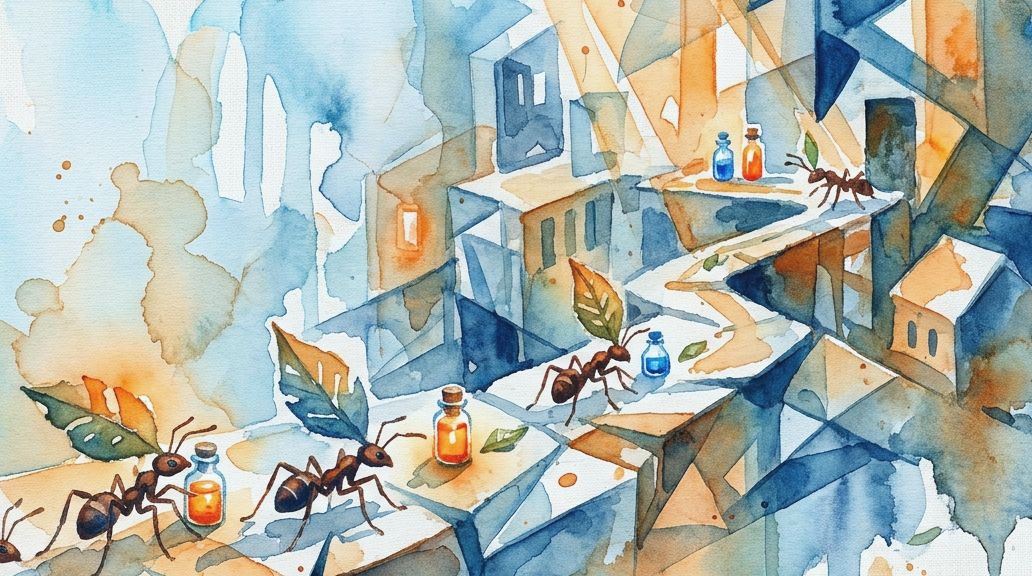
They've got rituals for it. Ants groom each other, spread the antibiotics around, and use secretions from their metapleural glands - tiny chemical factories on their thorax - as extra disinfectant. When Escovopsis shows up, the colony doesn't panic; they prune infected bits, apply beneficial bacteria and effectively quarantine the rot. It's dull, efficient, and very grimly sensible.
I saw a nature programme years ago and thought it was fanciful. Then you read the papers and realise it's all real: fungus gardens deep in the soil, specialist parasites eager for a free meal, and ants policing the place with microbial bodyguards. Imagine your neighbour keeping a hedge and also smearing it in antibiotics every Tuesday. Ridiculous, innit, but it works.
So next time you swat a leafcutter on the path, spare a thought. You're looking at a tiny agrarian state with pest control, pharmaceutical supply, and social welfare for its crops. Proper civilisation - except with more chewing and less council tax.