
They Once Stopped People Dancing In Japan, Properly Daft
Category: Strange Laws 24th May 2026
Turns out you could be nicked for boogying if the clock said it was late enough. Japan had a postwar statute called the Entertainment Business Control Law that, for decades, put licences, curfews and a lovely layer of paperwork between you and any spontaneous shimmy on a dancefloor.
The law dates back to the late 1940s and was meant to tidy up nightlife after the war. It wasnt written to ruin fun so much as to control it: keep an eye on dodgy clubs, prostitution and organised graft. Fine idea on paper. In practice it meant many venues either shut early or applied for special licences, and some places treated dancing like a dangerous sport that needed umpiring.
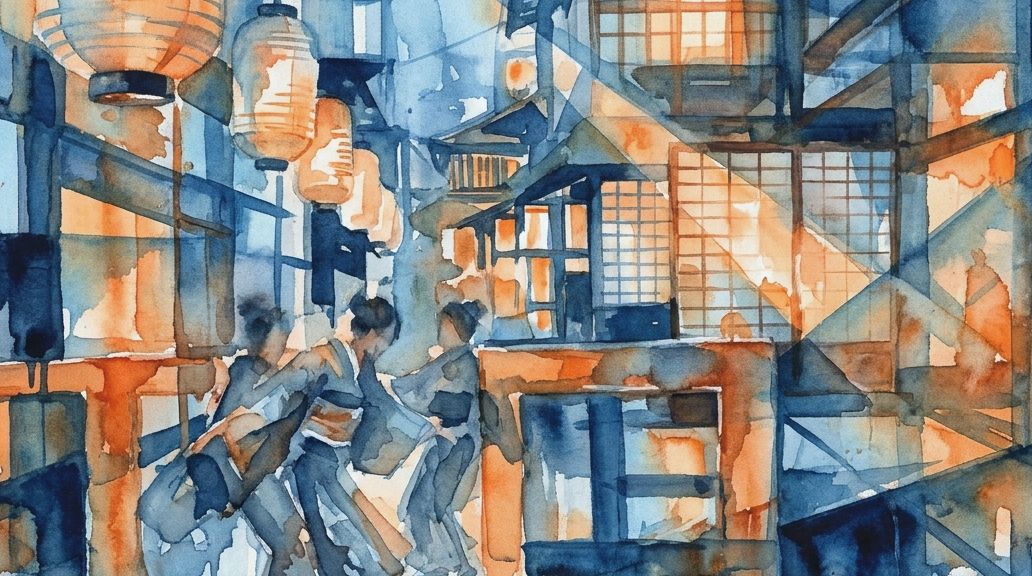
People forget this because it sounds like a joke. But police did use the rules. Clubs without the right paperwork risked fines and raids if they let punters wobble around after curfew. So you had a modern city full of young folks who loved to dance, and a handful of ancient regulations telling them to go home and watch telly instead.
For years journalists and tourists loved the story: Tokyo, neon and techno, but also a law that might get you told off for doing the conga. It was a proper mismatch. The thing eventually got updated in 2015, when the government relaxed the curfew and licence nonsense and said, right, music and dancing are OK so long as safety and order are kept. Folks cheered. DJs breathed. Teenagers stopped pretending theyd been warned off by policemen in trilby hats.
Still, the whole saga makes you think. A rule made by sombre suits in the ashes of war ends up policing someone trying to flirt on a sticky floor in Shibuya. If you ask me, laws like that are the ghost of prudishness: lingering, awkward, and very bad at a nightclub. I was in Japan years ago and half expected a bobby to pop out with a clipboard whenever a beat dropped. Proper daft, but true.