
Bog Bodies: People Turn Up Weirdly Preserved, Proper Mad
Category: Morbid Curiosities 25th June 2026
Imagine stumbling on a fella in a muddy field and he looks like he nodded off five minutes ago, not like he should be doing a historical cameo. That is what peat bogs do. They do not preserve bones and teeth so much as skin, hair, stomach contents and a face you could still recognise in a police photo. Proper eerie, innit?
Peat is a bully. It is cold, acidic and starving for oxygen. Sphagnum moss in the bog pours out tannins and other nasty chemistry that is basically tanning leather. So the flesh gets tanned instead of rotting. The bacteria that usually turn bodies into a horror show cannot get a foot in. Result: a body where the skin, hair and even the last meal are frozen in time. The bones, mind, often go soggy because the acid dissolves the calcium. Nature's own gruesome preservation trick.
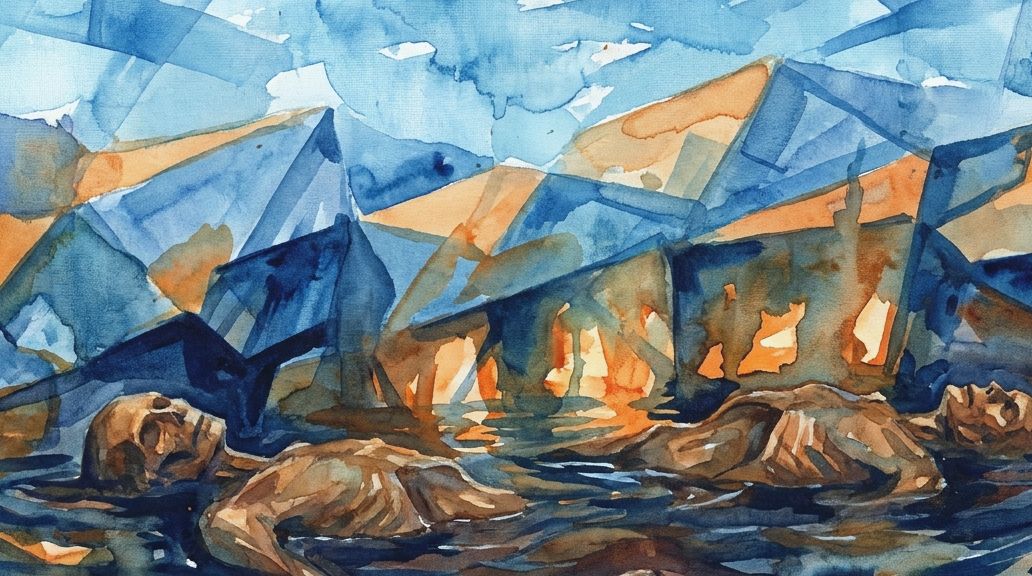
Some of the best-known examples are Tollund Man and Lindow Man. Tollund was found with a neat leather cap and a noose, and his stomach held a simple porridge of seeds and grains. Lindow showed three separate injuries that suggested a violent end: a blow to the head, a garrote, and a cut throat. Scholars reckon many of these were ritual sacrifices, not random murders. Which explains the tidy hats and the odd scars, I suppose.
They turn up when peat cutters or farmers poke around. One minute you are cutting turf for your fire, next minute you are having a long stare at somebody who had a bad day two thousand years ago and still has hair. You get a bit of civilisation's gossip in their last meal, too. A mouthful of seeds. A bit of bog butter. Little clues people used to leave behind, like history's most macabre sandwich.
I walked a bog years ago and felt like an intruder. You can't help but make jokes, then feel small when you realise these were real people with fiddly lives. It's daft and brilliant all at once: nature kept them like a photograph and left us to try and read the caption. Proper morbid curiosity, that is.