
Baby-Farming: How Victorian Respectability Outsourced Its Orphans
Category: Victorian Weirdness 31st July 2026
Victorian society, immaculately starched and monstrously judgemental, discovered a neat little market solution for its awkward children: hire a stranger, pay a sum, and someone else will either rear the infant or see to its economy of scale. The trade, politely called baby farming, ranged from rough wet-nursing and boarding out to something darker when profit margins proved uncooperative.
Here is the ghastly efficiency: an unmarried mother, a scandalous child, and a household desperate to buy invisibility. For a single fee a woman would accept the baby, promise nurture, and issue receipts with the brisk civility of a solicitor. Sometimes the arrangement worked: the child was fostered in a household that had space and a sense of mercy. Other times the incentive structure was simpler and nastier - keep the money, minimise food, minimise survival.
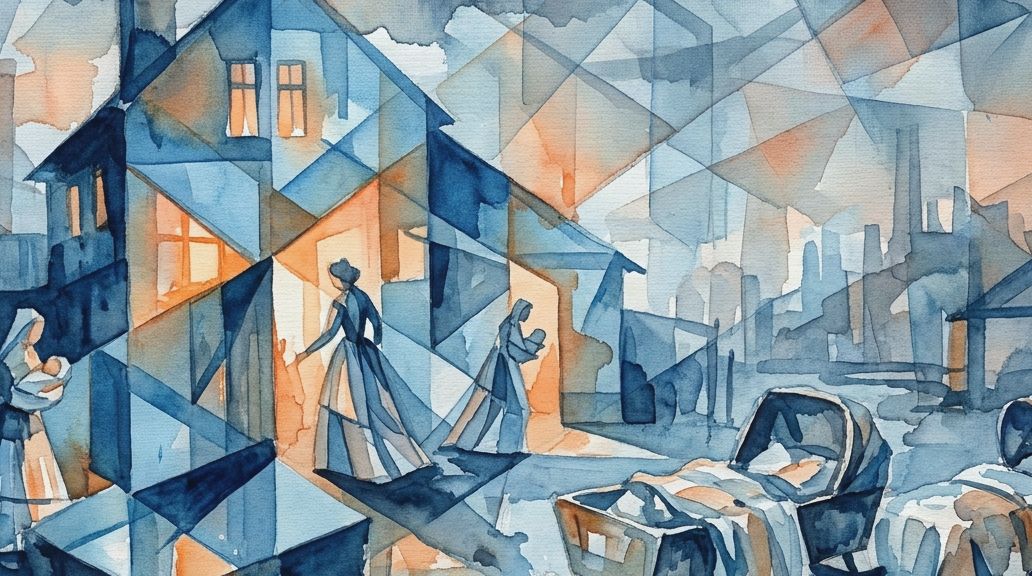
The headlines eventually furnished the melodrama. Amelia Dyer, a name one can salute only with a shudder, became the trade's most notorious practitioner and was convicted and executed near the end of the century. Her case and others stripped the polite fig-leaf off what had been a widespread, barely regulated cottage industry: sorrow commodified, human beings treated like ledger entries with a very short depreciation schedule.
What makes baby-farming properly Victorian is not merely its cruelty but its administrative banality. It married the era's penchant for paperwork and respectability with an economy that preferred a neat note in the margin to messy compassion. Parliament, embarrassed and irritable, eventually introduced regulation, registration and inspections. The reforms slowed the outright carnage though they could not entirely abolish the trade's root causes: stigma, poverty and a society that loved appearances more than children.
Reading about baby-farming is a useful corrective to the cosy view of the past where manners solved everything. The Victorians were brilliant at inventing polite euphemisms, better still at inventing industries to hide their moral inconveniences, and singularly awful at imagining that a receipt might replace human kindness.