
They Ate Arsenic For a Pretty Face, Honestly
Category: Victorian Weirdness 22nd June 2026
Honestly, only in Victorian England would someone swallow poison at morning tea and call it beauty therapy. By the mid and late 19th century a string of patent medicines and beauty shops were selling arsenic-based tonics and 'complexion wafers' as if it were cough syrup and a dab of rouge.
The pitch was irresistible to a crowd that prized a porcelain pallor. Fowler's solution, an arsenic tonic doctors sometimes prescribed for all manner of ailments, doubled as a cosmetic trick: taken in tiny doses it could apparently brighten the skin, clear freckles, and give a 'fresh' look families deemed respectable. Ladies who wanted to be admired rather than mistaken for a barmaid swallowed the stuff with very British determination.
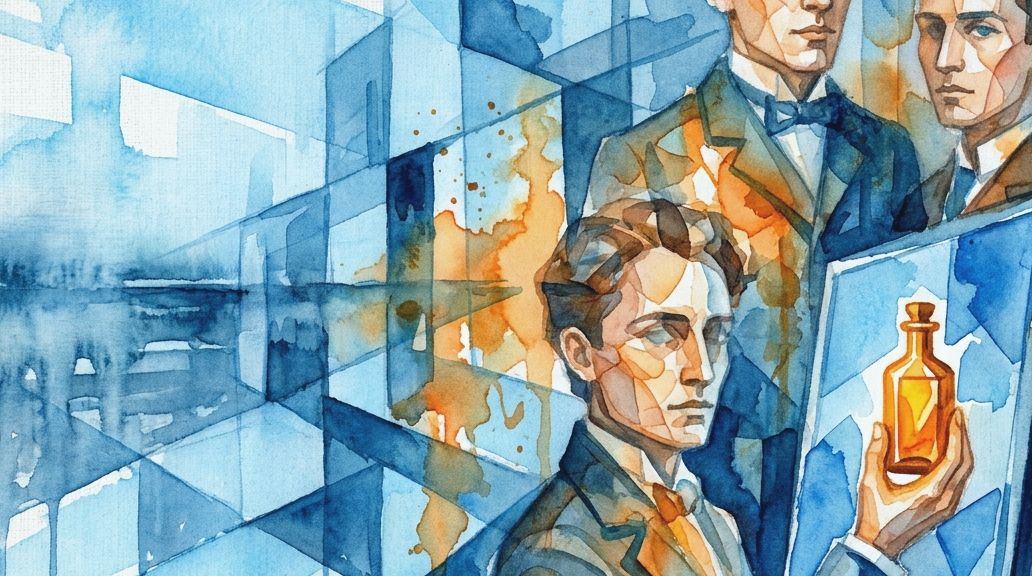
Beauty entrepreneurs weren't shy. Parlour vendors advertised little white tablets and powders promising clearer complexions, stronger hair, and better health. What they did not advertise, loudly, was that arsenic accumulates. Take too much, or take it for years because auntie swore by it, and your body will start answering back with nausea, neuropathy, rotten gums, and the kind of pale, sallow look no fashionable bonnet can hide.
Yes, the irony is delicious: people chasing delicate whiteness wound up yellowed and ruined by the very chemical meant to help. There are court records, medical reports, and newspaper columns from the era reporting chronic poisoning and, occasionally, scandalous fatal outcomes. By the early 20th century, as chemistry got less romantic and more rigorous, the medical profession and lawmakers began to batten down the patent-medicine trade.
Listen, I grew up hearing stories about great-aunt Mabel's 'beauty regimen' from a woman who'd worked in shops in her youth, and it read like a horror-comedy. Present-day cosmetics are regulated for a reason. The Victorians were inventive and theatrical about self-improvement, but their version of 'glass skin' sometimes came with a very literal body bill-one people paid in teeth, nerves, and a reputation for having eaten something you keep for rats.