
Don't Whistle at Home-It Steals Your Money
Category: Superstitions & Lore 31st July 2026
Folks, when your auntie clapped a hand over your mouth and hissed 'don't whistle in the house', she was working with folklore sharper than a prosecutor. In Russia and several Slavic countries the warning runs plain and practical: whistling inside will bring poverty. The old saying goes 'svistit v dome - k bednosti' and no, that is not a polite suggestion. Whistle and, according to polite superstition, your money takes a cab and does not leave a forwarding address.
Scholars who nibble at folklore point to nautical and occupational roots rather than cosmic malice. Sailors used whistles to call wind and to cue action; a whistle in the rigging meant business. At home, the logic bent the other way: why invite wind, mischance, or attention to your household fortunes? Theatre folk developed a cousin superstition because backstage whistling used to cue stagehands and, predictably, a stray whistle could cue an accident. In short, the gesture carried meaning long before it became a party trick.
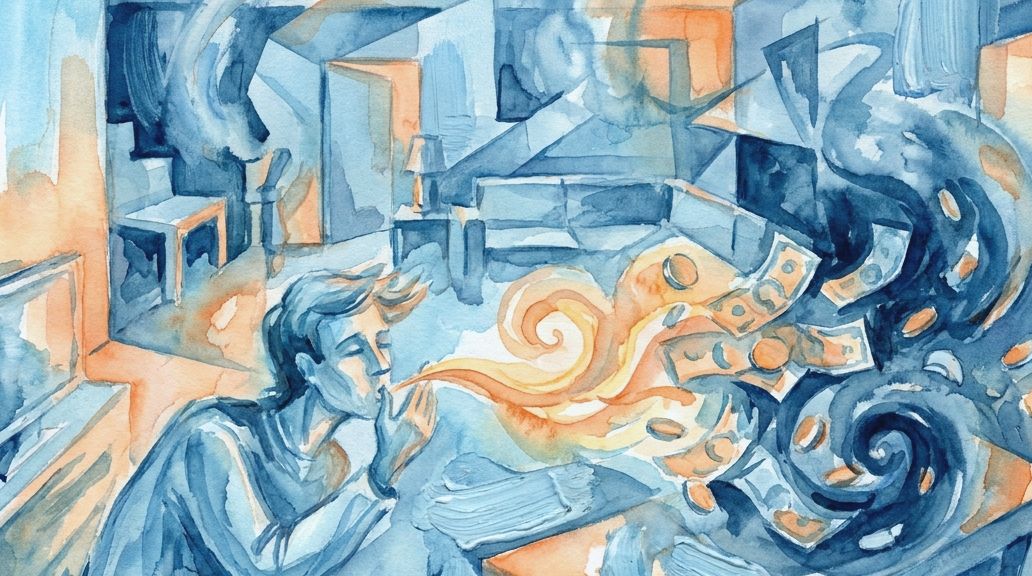
There are cousins to this rule across the globe. In some Asian and African communities whistling after dark is thought to attract snakes or spirits; on ships you do not whistle because you might very well get more breeze than you negotiated. The pattern is the same: a tiny human sound stands in for a bigger, uncontrollable force, and people preferred to pretend they had veto power.
Beyond metaphors, the superstition is a brilliant piece of social engineering. Telling children and guests 'no whistling' keeps interiors quieter and reduces risky show-off behaviour that leads to broken lamps or startled chickens. It is thrift dressed as theology. Your grandmother was being frugal with flair: curb the noise, mind the neighbours, and keep the purse strings where you can see them.
Years ago, in a drafty walk-up I rented for less than dignity, a fellow tenant whistled a jaunty tune and three ladies in the stairwell simultaneously patted their pockets like a chorus line checking for escapees. One muttered, 'Stop, the money will run away,' and the fellow went mute faster than a busted jukebox. I still hum the tune when I count my rent, because superstition is cheap theatre with tangible results.
Is it rational? Not always. Useful? Oddly often. Superstitions are society's duct tape: clumsy, unfashionable, and ridiculously effective at keeping small disasters at bay. Whistle if you must-but if you prefer your wallet to remain in the room, maybe whistle under your breath or take up humming. Your neighbours, and your bank account, will thank you.