
They Polish Their Dead Like Sofa Cushions
Category: Morbid Curiosities 10th May 2026
Months after someone dies the Toraja of Sulawesi might dig them up, dust them off, dress them in fresh clothes and parade them around the village like a slightly damp celebrity. It is called Ma'nene, which roughly means 'cleaning' or 'caring for the dead', and no it is not a Halloween stunt; it is a genuine, centuries-old ritual rooted in the Torajan belief that death is not an abrupt exit but a slow, social affair.
The bodies are often kept in the family home or in cliff-side tombs rather than buried immediately, because for the Toraja the deceased are not entirely gone. They are still part of the household economy, still family, still eligible for new shirts and a good brush. Every so often the family opens the coffin, takes out the preserved body, wipes the dust from the forehead, replaces the clothes and poses the loved one for a picture or a stroll. If you think that sounds macabre, remember that this is affection dressed up in funerary tailoring.
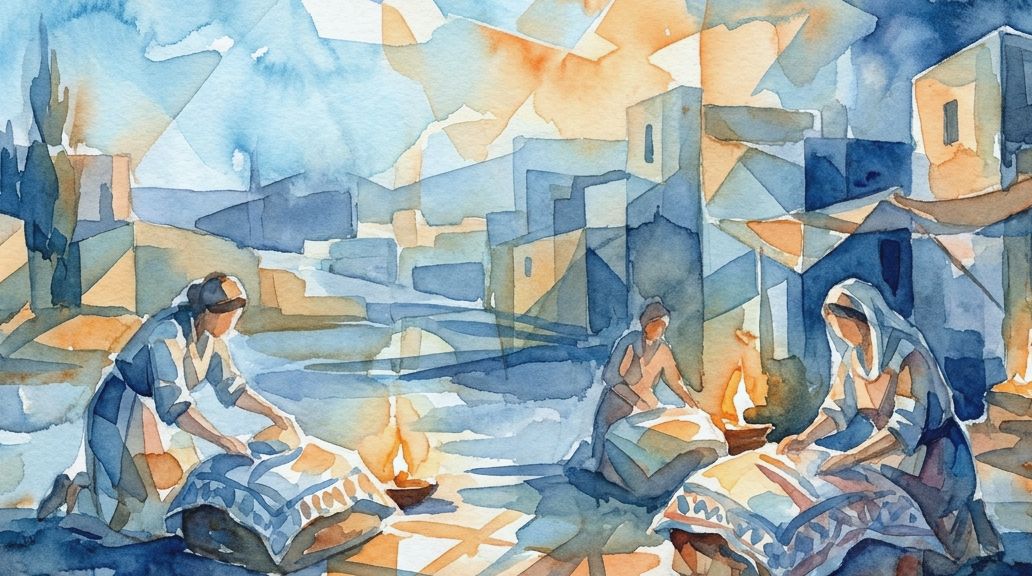
Some corpses are naturally mummified by the cool mountain air; others have been treated with modern preservatives in recent decades. Photographs from village ceremonies show elders in crisp suits holding the hands of relatives who, frankly, look like they would complain about the lighting. There are processions, prayers and offerings. The dead receive cigarettes, bouquets, and new outfits. Occasionally they are hoisted onto shoulders and paraded, not unlike any family celebration where pride outweighs logistics.
Tourists have made Ma'nene a spectacle, which has made some Toraja uneasy, but the ritual is first and foremost a statement about kinship: death is a stage in life that requires tending, respect and sometimes a fresh set of trousers. The ceremony blurs the line between reverence and familiarity in a way Western funerals rarely do; it is intimate, unglossed and unexpectedly practical.
If you want a punchline, here it is: while most cultures file death away under 'solved', the Toraja keep opening the drawer to check the relatives are still there. It's oddly comforting, disturbingly matter-of-fact and brilliantly human all at once.