
Step On Thai Money And The Crown Notices
Category: Strange Laws 19th March 2026
Here is a proper oddity: in Thailand the picture on your banknote is not a quaint portrait, it is a sacred symbol. That makes treating a note like a scrap of litter potentially criminal. Thailand's lse-majest law, Article 112 of the Criminal Code, punishes anyone who defames, insults or threatens the king, queen, heir apparent or regent with heavy jail terms. Because Thai currency carries the monarch's image, actions that damage or publicly insult notes can be treated as an attack on the monarchy itself.
On top of that, there are rules around damaging or defacing money. The Bank of Thailand and related statutes discourage mutilation or misuse of banknotes; when the face on the note is also the head of state, the line between a naughty prank and a prosecutable offence becomes, shall we say, narrow. The practical upshot: folding, stomping on or theatrically spitting on a baht note in public might not be dismissed as mere bad manners.
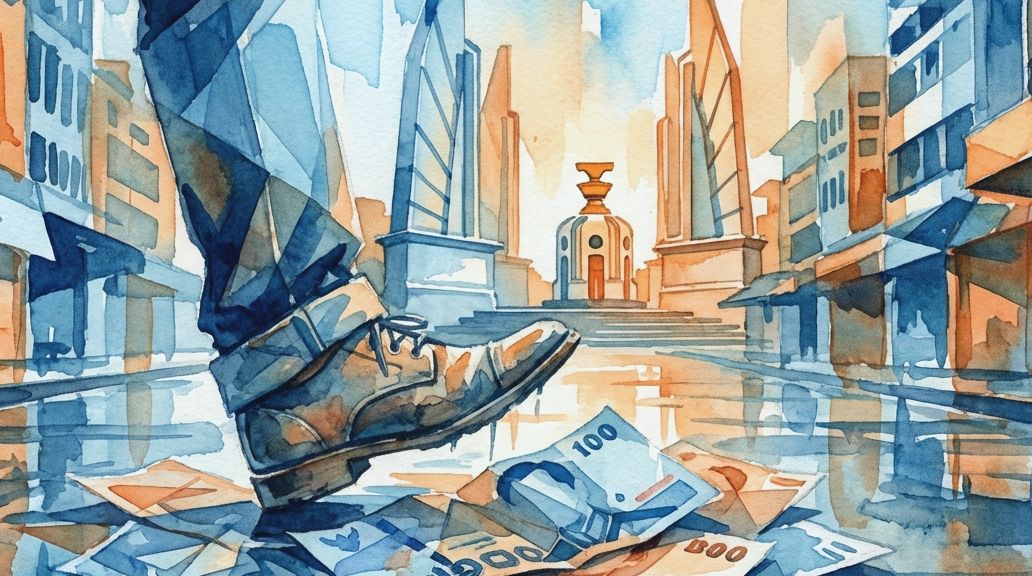
This is not theoretical. Thai courts have punished a wide range of speech and acts deemed insulting to the monarchy, and penalties under Article 112 can be severe - the law provides for prison sentences measured in years, not minutes of embarrassment. Foreigners are not exempt from scrutiny; tourists who treat local symbols as props discover, often to their horror, that local law and local culture do not always make allowances for stupidity.
So if you find yourself counting change in Bangkok, handle it like you would a tiny portrait of a very important relative. Drop one on the floor? Pick it up, dust it off, behave like you did not intend to stage a theatrical insult. It is a strange rule to a visitor raised on flipping coins and cheeky gestures, but in Thailand the monarchy and banknotes are tied together by law and custom. Treat the little paper faces with respect and you will keep your holiday free of awkward conversations with very serious people.