
Tesla and the White Pigeon: An Unromantic Romance
Category: Eccentric People 17th May 2026
Curiously, the man who talked to coils and wanted to light the world without wires spent a surprising amount of time worrying about pigeons. Nikola Tesla, the clean-suited, spare-haired myth-maker of alternating current, was a familiar sight in New York parks and outside hotels, where he fed, tended and-yes-befriended city pigeons. This is not a charming footnote; it is a bona fide personality quirk that insists on being taken seriously.
Tesla paid people to bring him injured birds, nursed them in his hotel rooms and apparently considered the whole enterprise worth his time and money. The strangest, or most touching, report is that he formed an attachment to a single white pigeon. He told friends, in the manner of the traumatised yet cultured gentleman he liked to be, that he loved that bird 'as a man loves a woman'. No sonnet, just blunt devotion delivered with the precision of an engineer who had discovered an unexpected variable.
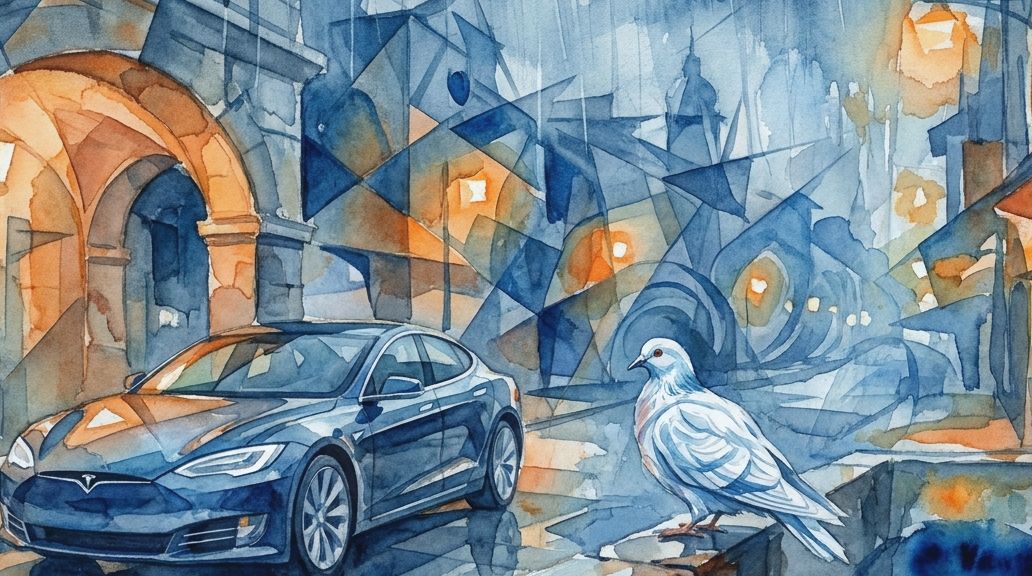
This fact delights and unnerves in equal measure. Consider the man who calibrated resonance frequencies and teased secrets out of nature reduced to buying seed and knitting emotional insurance for a winged creature. It undermines the tidy myth of the solitary genius, replacing it with someone worryingly domestic. One can picture Tesla drafting patent specifications between bouts of feather-plucking supervision, or composing future-proof inventions while consoling an injured squab on his lap. It is, frankly, astonishingly human.
And there is a bureaucratic comedy tucked inside the romance: a world-famous inventor who could not get the state to understand his ideas nevertheless quietly organised the logistics of pigeon care. He recruited helpers, paid for feed, made a modest but systematic welfare operation for birds that most New Yorkers only swatted at. If you admire order, admire this odd, miniature administrative achievement-neatly run and ethically eccentric.
So the next time someone invokes Tesla's brilliance as evidence that geniuses operate in a purely cerebral realm, remember the white pigeon. It is a concise rebuttal: great minds have strange comforts, and sometimes the single most profound relationship in a life is with a bird that likes bread crumbs.