
Tarrare, France's Bottomless Man
Category: Medical Oddities 11th July 2026
Consider a man who treated food like a challenge issued by the universe and then politely accepted the forfeits. Tarrare, a French oddity of the Revolutionary era, was observed by contemporary surgeons to consume astonishing volumes and kinds of matter: whole baskets of food, raw meat, and at times live animals. He was not merely greedy; he was medically interesting in the way a volcanic eruption is "interesting" to a startled village watch.
Born in the provinces and later drifting through the chaotic theatres of war, Tarrare turned up at military hospitals where his capacity for ingestion became a clinical spectacle. Physicians of the time recorded that he could apparently eat enough to feed a dozen men, that ordinary measures of hunger were irrelevant to him, and that his breath and excretions made polite conversation impossible. They performed examinations because, being scientists, they preferred bafflement with paperwork to bafflement without notes.
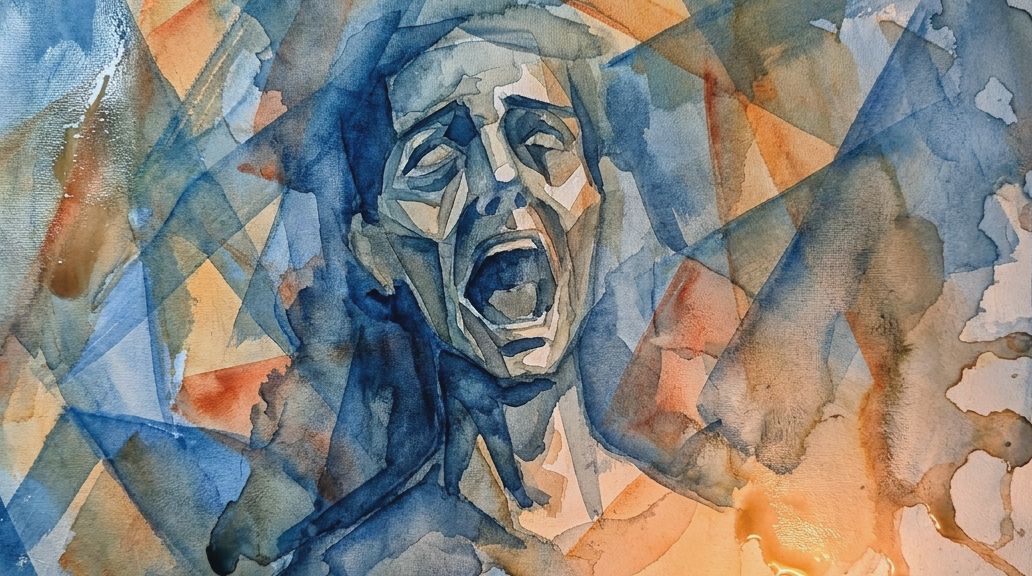
The medical reports are deliciously old-fashioned: they read like dispatches from a very annoyed civilisation. Doctors tried various tests to understand whether his appetite was an anatomical trick, psychological compulsion or a metabolic defect. They noted repeated bouts of diarrhoea, persistent weight loss despite constant eating, and an eventual decline into wasting disease. In short: you could not fill him in the long run.
There are lurid sidelines to the story, as there always are when human oddity meets gossip. Rumours of cannibalism swirled in contemporary pamphlets; modern historians treat some of those claims as sensationalism or misinterpretation of third-hand reports. The firm facts accepted by most reliable accounts are simpler and grimmer: Tarrare was observed, examined, written about, and finally he died young, likely of tuberculosis or another wasting illness that was then called phthisis.
What fascinates now is cultural as much as clinical. Tarrare became a small, inconvenient object lesson in how medicine, poverty, and spectacle mingle. The army and hospital treated him as a curiosity to be catalogued, the papers turned him into a moral pantomime, and the physicians attempted to translate horror into Latinised case notes. For an instant, civilisation tried to fit a man who would not stop eating into its boxes and forms; the boxes were politely demolished.
He is not a monster in the gothic sense, merely an unclassifiable human failure of appetite and metabolism that humiliated the neatness of late 18th-century reason. And that, I submit, is where the true, rather grim comedy lies: not in the eating itself, but in the bureaucrats' plain fury when a man refused to be filed away.