
When Muscles Vote To Become Bone
Category: Medical Oddities 11th May 2026
Picture a body that, in middle age or even childhood, begins to treat its own muscles and ligaments as if they were surplus furniture awaiting a particularly enthusiastic stonemason. That is fibrodysplasia ossificans progressiva, charmingly christened "stone man syndrome" by the tabloid brigade and taken rather more seriously by anyone who has tried to bend a knee and discovered that the knee has staged a permanent, bureaucratic refusal to cooperate.
The scientific culprit is an errant ACVR1 gene mutation which instructs soft tissue to lay down bone in the wrong places. The condition is extraordinarily rare, roughly one case per two million people, and it usually announces itself with a telltale malformation of the big toes at birth. Later, minor trauma a child would survive with stoic bloody knees-bumps, injections, even dental work-can provoke flare ups that calcify. The result is heterotopic ossification: new bone grows where tendons, muscles and ligaments should remain pliant.
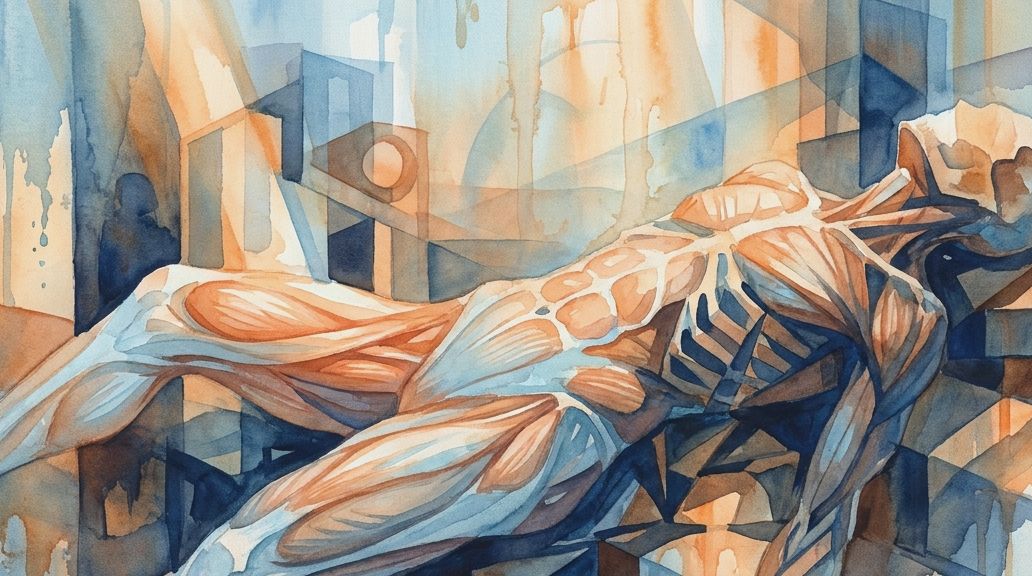
It is not merely an eccentric party trick. Over time the new bone can form a second, unwanted skeleton, locking joints and sometimes fusing the jaw, which turns chewing, speaking and dental treatment into exercises in obdurate diplomacy. There is, alas, no widely accepted cure. Doctors cautiously use steroids to tamp down acute flare ups and avoid intramuscular injections and unnecessary surgery, because surgery often provokes more bone. Research is underway into ACVR1 inhibitors and other targeted therapies, but the proper management remains prevention and gentle handling, like coping with a spice cabinet full of nitroglycerin.
For those who have studied the condition, the human picture is both terrible and curiously dignified. Harry Eastlack, who spent much of the 20th century in various degrees of ossified arrest, famously donated his skeleton to science; it now teaches students and horrifies dinner companions at a museum. The macabre lesson is simple: evolution, bureaucracy and fate rarely conspire with taste. The body, when given the wrong instruction, will obey with the polite, implacable thoroughness of a civil servant who has finally understood his remit.