
Stendhal Syndrome: When Art Steals Your Breath
Category: Psychology & Brain 26th June 2026
Florence prides itself on beauty and I have seen more dramatic swoons at the Uffizi than at any bad marriage in Manhattan. The real thing here is a proper clinical oddity: people so overwhelmed by art that their bodies stage a protest. Rapid heartbeat, dizziness, fainting, confusion, sometimes even visual hallucinations and a sense of unreality. It sounds romantic. It is not.
The name comes from Stendhal, the 19th century French writer who wandered Florence and declared the city nearly fatal to the nerves. The modern turn came in the 1980s when a Florence psychiatrist, Graziella Magherini, catalogued dozens of cases of tourists collapsing or losing their heads in front of masterpieces. She coined the phrase Stendhal syndrome, and the local ERs quietly learned to recognise it.
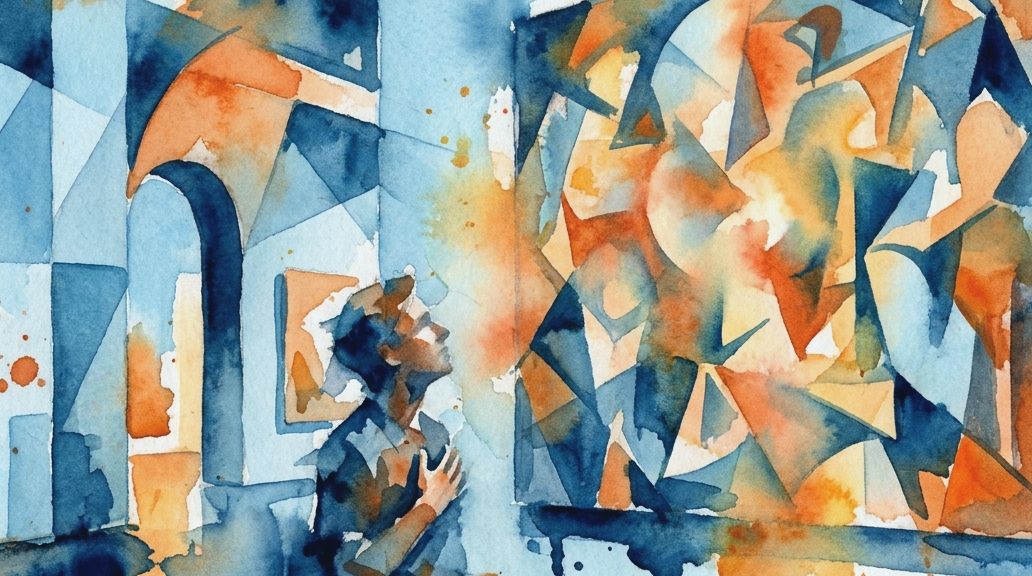
Clinical? Kinda. Official? Not exactly. It is mostly a culture bound, situational psychosomatic reaction and you will not find a tidy entry under that name in the big psychiatric manuals. Some doctors treat it as an extreme stress response, others call it suggestibility and theatre. Me? I believe in the spectacle: shove a sublime Botticelli under an exhausted tourist and the brain will stage an opera.
Symptoms are deliciously undignified. People report palpitations, sweating, nausea, fainting, and whole episodes where colours swim and faces lose their edges. There are accounts of crying fits that look like grief and hallucinations that read like bad romance. Hospitals in art cities sometimes keep a soft chair off to the side for the freshly smitten, or the freshly unwell.
I remember years ago, at an opening in Italy, someone so transfixed by a canvas they forgot to breathe and then apologised like it was rude to faint at a bit of canvas. We all pretended it was the wine. The truth is the brain rarely separates beauty from threat: overwhelming emotion can trigger the same physiological cascade as fear.
So if you feel faintened by a painting, take it seriously and sit down. It is charming, alarming, and very human: the mind gets starstruck and the body presses pause. Florence will keep its past and its masterpieces; your pulse, if you can, should too.