
That Spruce Goose Was Mostly Birch
Category: Invention Fails 5th August 2026
Mornings in aviation history do not get much more deliciously petty than this: the H-4 Hercules spent a lifetime wearing a nickname that lied through its varnish. Journalists and jokers christened Howard Hughes' enormous flying boat the "Spruce Goose," as if tree species were the point. In truth, the craft was built largely from birch using a molded-wood process-because wartime metal shortages and Hughes' obsession with secrecy and novel materials made plywood the practical choice.
The plane was born during the second world war as an ambition to move troops and materiel across the Atlantic if German U-boats kept making a mess of shipping. Hughes poured money, engineering bravado, and patience into a project that ballooned into the world's largest wooden flying boat. They used a laminating technique often called Duramold: layers of wood, glue, heat and pressure bonded into structural panels. It was clever, and also a bit like building Versailles out of high-grade plywood.
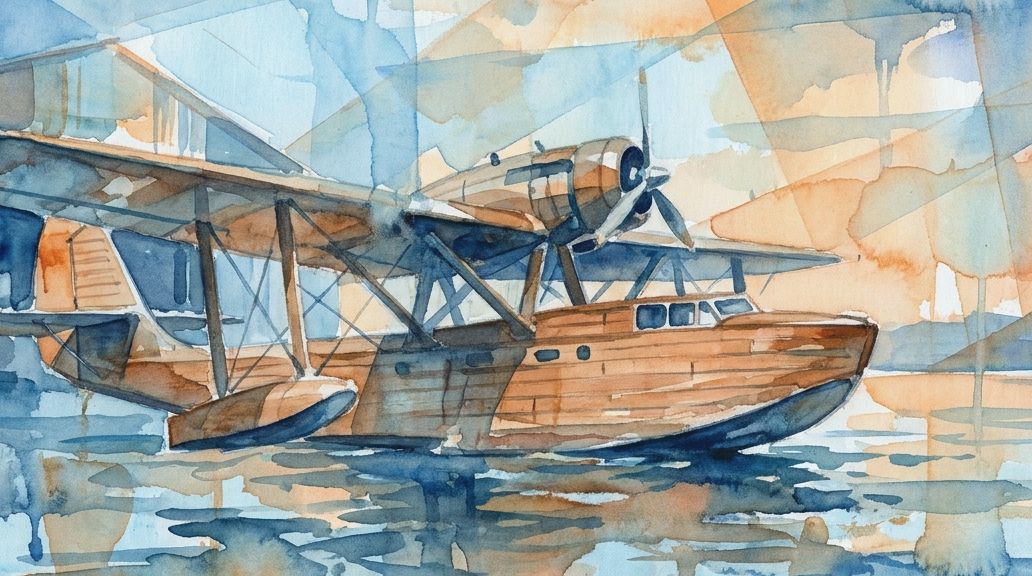
Here is the delicious part: the H-4 only flew once, in 1947, with Howard Hughes at the controls. It left the water for a short, low hop and came back down-enough to prove it could fly and infuriate the naysayers who called it a money pit. After that single outing the plane was retired to hangars and showrooms, preserved as a trophy of a certain kind of American audacity. Hughes never let it go back into production or service; the airplane became museum theatre, romantic and stalled.
People still call it the Spruce Goose because nicknames stick like gum on shoe leather. Hughes himself disliked the name; reporters loved it. The truth is less tidy and far more interesting: a gigantic wooden experiment, a product of wartime scarcity and one very determined man, that technically flew and then lived out its days as a slow, polite scandal. If museums were gossip columns, this aircraft would be the one with the best hat and the saddest bank account.