
The Church Carved From Salt (Yes, Really)
Category: Architectural Wonders 9th June 2026
Down in a Polish salt mine, common sense took a holiday and artistry moved in with a pickaxe. Beneath the town of Wieliczka, miners did what bored, industrious people often do: they decided to ornament their workplace. The result is the Chapel of St. Kinga, a proper subterranean church hewn almost entirely from rock salt - walls, altarpieces, sculptures and even chandeliers glinting with crystalline salt drops.
The mine itself is ancient, worked for centuries and full of tunnels and caverns carved by human hands. At roughly a hundred metres below ground the chapel sits like some ecclesiastical grotto, its reliefs and columns fashioned by miners who doubled as sculptors when the mood struck them. The decorative program is not modest: saints, biblical scenes and ornamental flourishes rendered in salt, all preserved in an environment where the rock itself is the medium and the climate politely discourages decay.
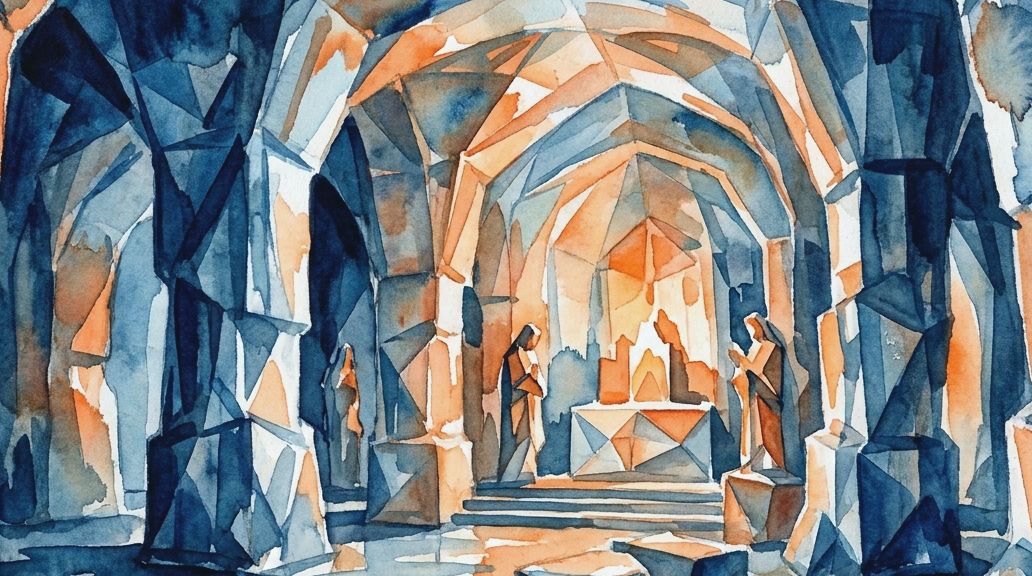
It is all UNESCO-listed, which is the polite international way of saying 'stop trying to turn this into a nightclub and take your selfies somewhere else.' Yet the chapel is not merely a dusty curiosity: it has hosted religious services, weddings and concerts. The acoustics, owing to the hard salt surfaces and enclosed space, give music an odd, resonant bloom - which I imagine is the sound of holiness being slightly confused.
The human deliciousness of the place is the contrast between the miners' utilitarian toil and their astonishing craftsmanship. These are people who mined salt for bread and then decided, over tea, to carve altars for posterity. Visitors descend by lift or steps into a subterranean city where chandeliers glow not with electricity but with salt crystals catching the light. It is at once ridiculous and solemn, like a very distinguished practical joke played by a nation that knows how to keep its paperwork in order.
So if you find yourself in Krakow and fancy a brisk descent into architectural whimsy, bring sensible shoes and resist the urge to nibble the pews. The Chapel of St. Kinga is a reminder that architecture sometimes grows not from ambition or ego, but from the peculiar taste of bored workers with good chisels and a sense of humour carved in sodium chloride.