
When Your Brain Insists There Are Two Towns
Category: Psychology & Brain 16th July 2026
Picture waking up in a hospital and being absolutely, weirdly certain that the clinic is your childhood living room-except your sister is a nurse, your neighbour is the doctor, and the wallpaper is aggressively institutional. That specific, rare, terrifying party trick of the brain is called reduplicative paramnesia: the persistent delusion that a place or location has been duplicated, moved, or exists in two different spots at once.
The thing is grotesquely specific and also very real. It most often shows up after right hemisphere brain injury, stroke, or frontal lobe damage, where spatial maps and reality-monitoring get sloppy. Patients will insist a hospital is actually their home down the street, or that their city has been secretly rebuilt somewhere else, and no amount of maps, family photos, or calming tea will change the conviction. It is not willful lying; the brain is doing emergency-level creative editing.
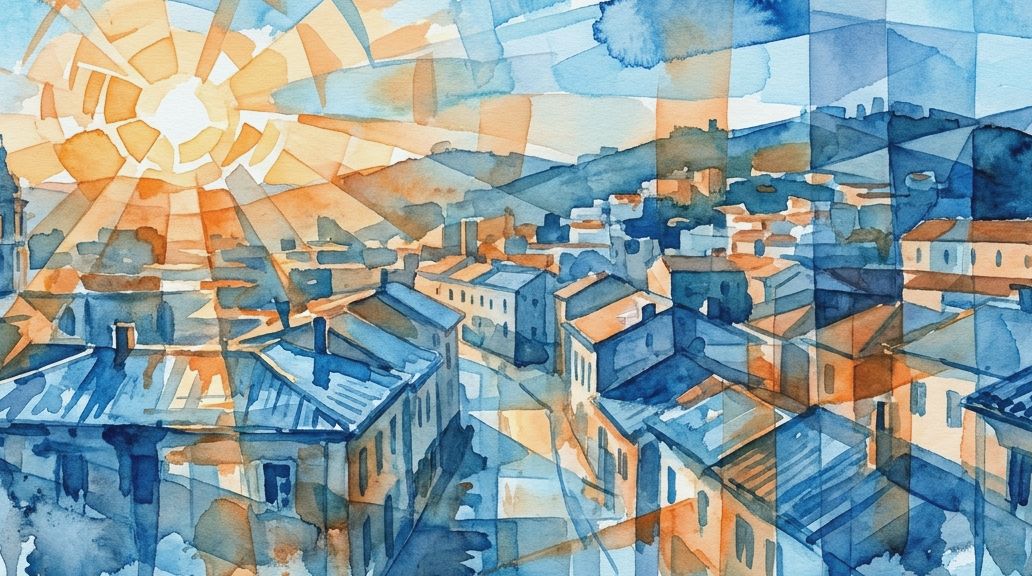
Classic neurology texts describe cases where people refused to leave a ward because they swore it was their house, or thought their town had been cloned and planted beside the real one like some cosmic Ikea catalogue. Doctors call it a window into how memory, place recognition, and belief get stitched together. There is often confabulation too-tiny invented facts that prop up the delusion the way a bad narrative props up a flimsy argument.
Why is it so persuasive to the person experiencing it? Because spatial memory and emotional familiarity are stubborn. Your right hemisphere says "this smells like home," your frontal lobes, taxed or injured, fail to veto the conclusion, and suddenly you can produce an entire alternate geography with the absolute authority of someone checking a weather app.
I remember once, years ago, being so jet-lagged in an airport hotel that I mistook the breakfast room for a friend's kitchen and tried to raid the jam. Small, harmless, but it gives you a tiny empathy cheat code for the people whose brains go full cartographic anarchist. They are not dramatic; their reality split and someone has to gently present the map.
It is one of those facts about the mind that reads like sci fi and feels human: our sense of place is fragile, stubborn, and absurdly persuasive. Which is to say, reality is negotiable when the parts of you that check receipts are on break, and that feels both scary and heartbreakingly intimate.