
Picturephone: The Video Phone That Made Us All Self Conscious
Category: Invention Fails 9th June 2026
Trust me, darling, I have seen a lot of inventions arrive like parade floats and leave like regrettable wedding gifts, but AT&T's Picturephone had the particular dishonour of promising intimacy and delivering awkwardness on a swivel chair. Debuted to gawps at the 1964 World's Fair, it looked like a miracle: speak to someone and see their face, like television finally grew a backbone and joined your living room.
The trouble began when the novelty collided with human manners. The Picturephone was a big, expensive box that lived in booths or corporate lobbies; it needed special wiring, expensive switching, and a willingness from both ends to be on camera. People discovered fast that they did not want to be seen mid-breakfast, mid-makeup, or mid-hairdo. Privacy, it turns out, is not just a technical specification, its a life choice.
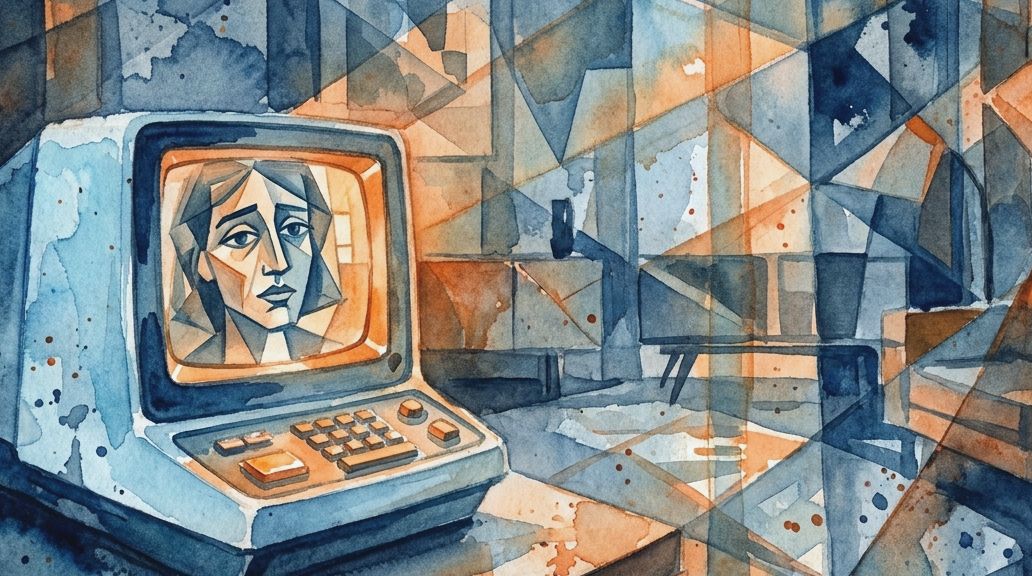
Engineers at Bell Labs had the right idea technologically but the social timing was off. The units were clunky, the picture quality modest, and the price was a thing you whispered about at parties. Businesses tried it for boardroom calls and publicity stunts, newspapers ran photos of vaunted terminals, and regular folk mostly shrugged. Also, the ergonomics were dreadful: a face framed in a small screen, sitting too close, with lighting that could make a saint look like a ghost of unpaid taxes.
By the early 1970s the Picturephone project had been trimmed back to limited demonstrations and corporate services. It never became the household staple the adverts hinted at. Decades later, when bandwidth got cheap and cameras tiny, video calling arrived properly on our phones and laptops, quiet and humble, without a booth to hide behind or a sales rep cooing about the future.
I remember, in my roving years, watching one of those booths in a department store window like it was a tiny stage. People would crane in, make a face, and hop out like they had just told an embarrassing secret to a mirror. The Picturephone failed not because the tech lied, but because it forgot to ask people how they wanted to be seen. And honey, some things you do not need televised.