
They Doused Every Hearth And Made Fire With Sticks
Category: Superstitions & Lore 19th June 2026
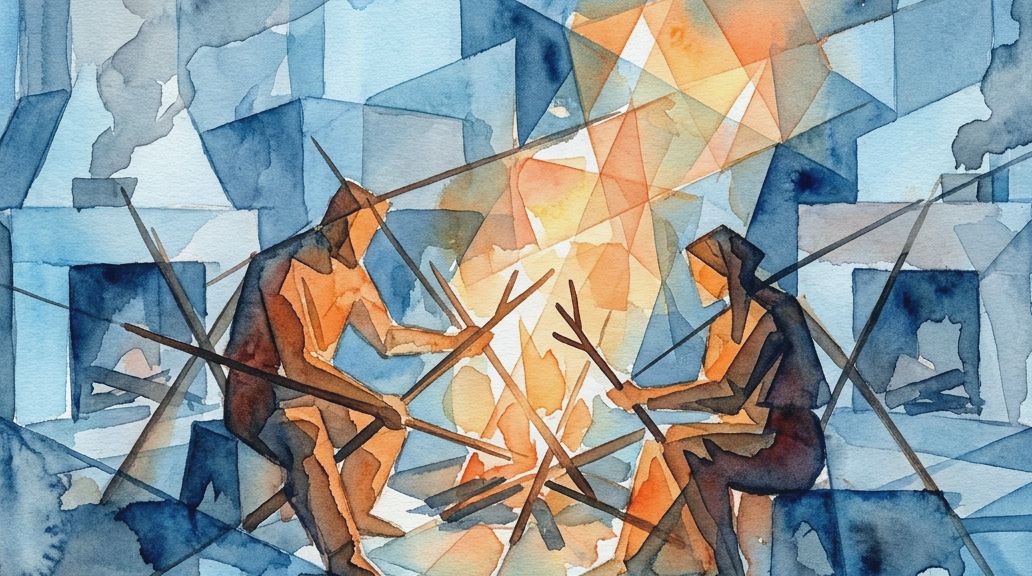
Once a village decided the pestilence had arrived, they did something that would make every modern health and safety officer faint: they extinguished every single hearth, oven and candle, then set about making a new fire the old-fashioned way - by rubbing wood together until sparks flew. This was the need-fire, the 'fire of necessity', a folkloric ritual meant to cleanse houses, save cattle and shove back whatever nasty, invisible thing was killing folk and beasts.
The mechanics were simple and theatrical. All household fires were put out so the whole place sat in a silence that smelled faintly of damp wool. Then a chosen party - often the village smith or a clutch of elders - lit a new flame by friction, or by other contrivances thought to be magically pure. Ashes or embers from that blessed fire were then carried back to every homestead, sprinkled over doorways, mixed with water to wash animals, or rubbed into the hides of cattle to stop them falling ill.
Across the British Isles and northern Europe the need-fire cropped up again and again in the records. In Scotland, Wales and parts of Germany and Scandinavia it turned up whenever livestock plagues or human epidemics looked like getting comfortable. Sometimes it was accompanied by rituals of purification: thrashing of the house, fumigating with smoke, and drives to keep witches or malevolent spirits at bay. The logic was medieval but grimly practical: if the old protections had failed, burn them out and begin again with something freshly conjured and uncontaminated.
For the modern reader this is either touching or bonkers - or both. It is, however, not entirely different from the impulse in every era to take sweeping, dramatic action when chaos arrives. You could argue it was the ancestors' version of switching the router off and on again, except with more soot, less WiFi and considerably more belief that a handful of coals might save the herd. In any case, the need-fire survives in folk stories as a reminder that when people faced contagion, they leaned hard on ritual as well as prayer.