
Max Headroom's Midnight Broadcast Heist
Category: Unsolved Mysteries 29th May 2026
One crisp evening in 1987, two television stations in Chicago discovered that their polite little broadcasts had been rudely interrupted by a fellow wearing a plastic Max Headroom mask, behaving as if he'd been given a budget and too little supervision. The intrusions were not subtle: one briefly overlaid a local newsfeed, the other took over a public television transmission during an episode of Doctor Who. For about a minute each time, viewers watched a twitching, mock-robotic figure gyrate, mouth nonsense and fling puerile insults, as if satire had had a very messy dinner and then hit the airwaves drunk.
The technical malfeasance was the serious bit. Someone had managed to hijack the stations' signals and substitute their own video. In an age when TV engineers still thought of microwave relays as mildly domesticated beasts, this was equivalent to sneaking into the royal stables and teaching the coronation horses to sing show tunes. The Federal Communications Commission opened investigations, engineers scratched their heads, and local police shrugged in that efficient way which says, "We will look into it next fiscal year when the paperwork falls off the desk." No culprit was ever identified, no prosecution followed, and the precise method of the attack never reached comfortable consensus.
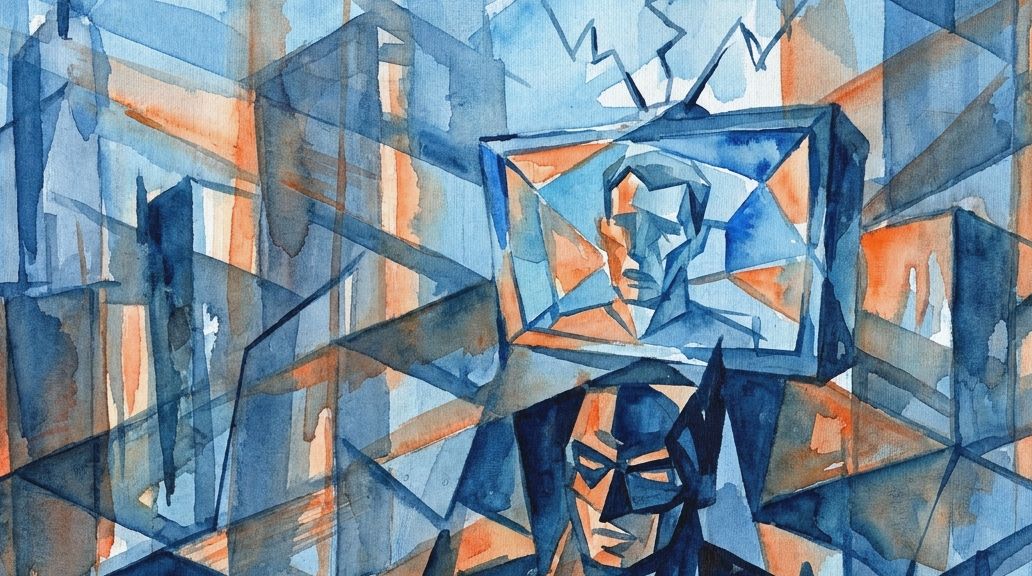
What delights about this mystery is its delicious mix of childish mischief and technical competence. Whoever did it had to be competent enough to meddle with broadcast equipment but cheeky enough to dress as a fictional TV personality and perform a routine better suited to a student revue. It is a very modern crime: high-tech, low motive and exquisitely absurd. Years later, conspiracy theorists and amateur sleuths have proposed elaborate explanations, from disgruntled engineers to prankish hackers to an elaborate publicity stunt gone wrong. Each theory is a tiny bureaucratic tragedy in itself, because bureaucracy loves a neat culprit and this caper laughed at neatness.
So the face behind the plastic grin remains unknown. The image sits in the cultural memory like a rude postcard from 1987: equal parts incompetence, bravado and a splendid refusal to be identified. It is a reminder that sometimes the unsolved is not sinister so much as embarrassingly brilliant and profoundly British in its taste for public misrule, except, sadly, performed in Chicago.