
The Lobster That Apparently Screams (But Does Not)
Category: Modern Myths 12th August 2026
Listen: the domestic boiling of a lobster has acquired the melodrama of an opera. The pot hisses, the household dog stares, your aunt clutches a napkin, and somebody insists they just heard a tiny lobster scream. It is an immensely satisfying image - theatrical, morally infuriating and utterly incorrect in its acoustical diagnosis.
Here is the fact, plain and unsentimental: lobsters do not have vocal cords, lungs or a throat refined for lamentation. The high-pitched squeal used by gentlemanly gossip columns as evidence of crustacean distress is produced by air and steam escaping the animal's shell and internal cavities as the temperature rises. Trapped gas expands, pressure changes, and the result is noise - think of a kettle with manners but less tea.
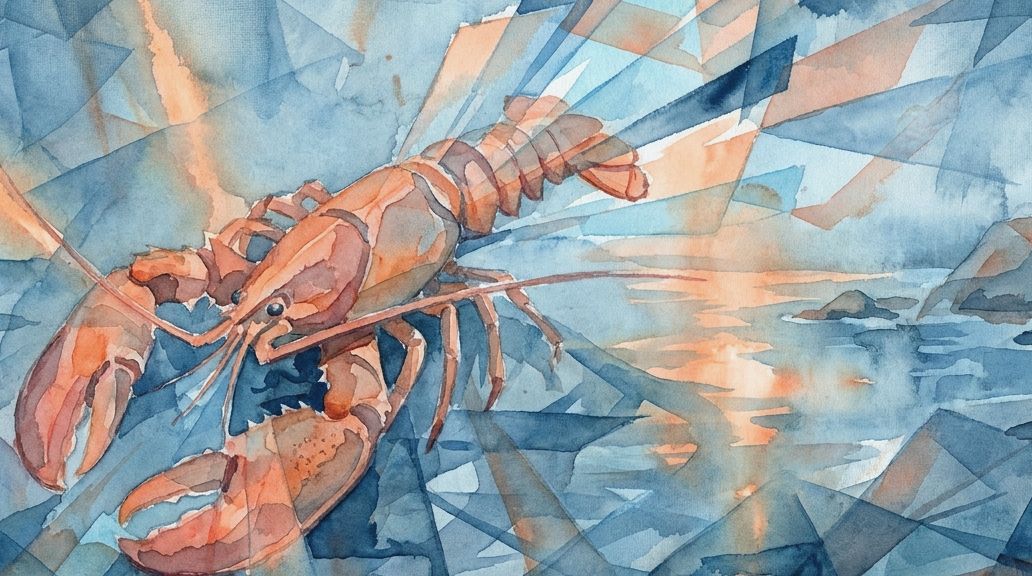
Biologists and food scientists who have peered into this affair note that the sound is a physical event, not a sob. The shells and gill chambers form tiny resonant spaces; when boiling water forces air and dissolved gases out, those narrow exits whistle and pop. It is, in other words, acoustics, not an ethical sonnet. If you were hoping nature had supplied your supper with a proper soundtrack, you must be disappointed but not surprised: the planet is stingy with drama.
Do not, however, mistake this correction for a licence to be cruel. Whether lobsters feel pain is a separate and unsettled scientific question. Many chefs and regulators favour humane precautions - chilling, electrical stunning, or dispatch methods intended to minimise suffering - precisely because the absence of a scream does not prove the absence of sentience. The myth merely collapses the particular claim that boiling lobsters scream like Victorian actresses.
So next time a pot emits that dainty, sorrowful titter, you may present yourself as both scientifically literate and publicly petulant: inform the room that it is air behaving badly, not a lobster composing a tragedy. Stand back, sip your wine, and tell your aunt to stop passing the napkins around as though the table has acquired an opera diva with claws.