
Hag Stones: Holey Rocks That Outsmarted Witches
Category: Superstitions & Lore 3rd June 2026
Imagine finding a pebble with a neat little hole through it and deciding it is the most sensible defence against witches, storms and general bad manners. Welcome to the world of hag stones: natural, perforated rocks-often flint or agate-that folk across northern Europe treated like Swiss Army charms for the soul.
Also called adder stones or witch stones, these bits of geology were never mere souvenirs. Hung over doors, nailed to stable beams or worn on string around the neck, hag stones were supposed to keep malevolent eyes, lightning and mischief at bay. Farmers swore by them; sailors fastened them to boats to calm seas. It is pleasantly efficient, which is to say it would have farted in the face of a modern risk assessment and still gotten the job done.
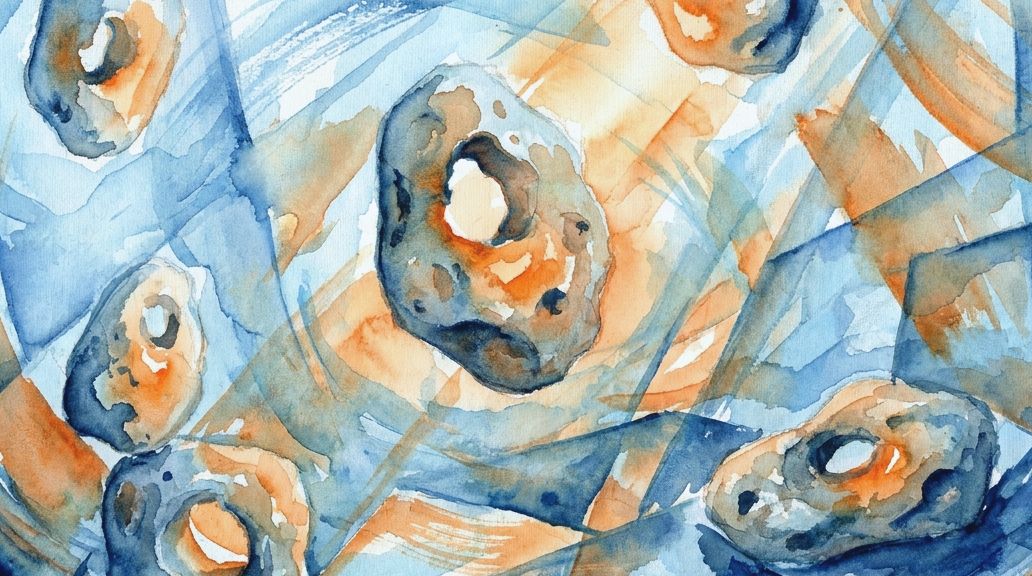
There was a domestic side too. Midwives and mothers tucked them into cradles or passed a child's limb through the hole to cure rheumatic aches or protect against the evil eye. In some places a hag stone above the hearth was as orthodox as a broom in the corner: practical, superstitious and oddly reassuring.
Belief sharpened the oddities. Peer through one of these holes at twilight and, folklore insists, you could see things that the ordinary eye missed: sprites, fairies or the hidden forms of witches. Whether you glimpsed a phantom or just the other side of the garden depended largely on how much peat you had in your stove that night.
Collectors and beachcombers still prize them. A friend once came back from a coast with one tucked in his pocket and announced it was his emergency charm. I did not mock him; there are worse safety nets than a bit of seaside geology and a story to go with it.
The charm might not stop a lightning strike, and it will not make tea, but hag stones reveal a brilliant human habit: turn a small, strange thing into a border against calamity. If superstition is a toolbox, these tiny holed rocks were the polite, reliable screwdriver everyone kept by the door.