
He Was Forgotten in a Cell for 18 Days and Somehow Lived
Category: Survival Stories 23rd May 2026
Picture a tiny, anonymous jail cell in Austria in 1979, the kind of place you imagine in a true crime podcast but with worse lighting and less narrative care. A young man named Andreas Mihavecz was put there. Then he was, astonishingly, left there. For 18 days.
Not 'we briefly lost him at a festival' left. Properly forgotten. The other detainees were released. The paperwork apparently yawned, closed its eyes, and moved on. No one checked the cell. Doors opened and closed around him like a bureaucratic ghost story.
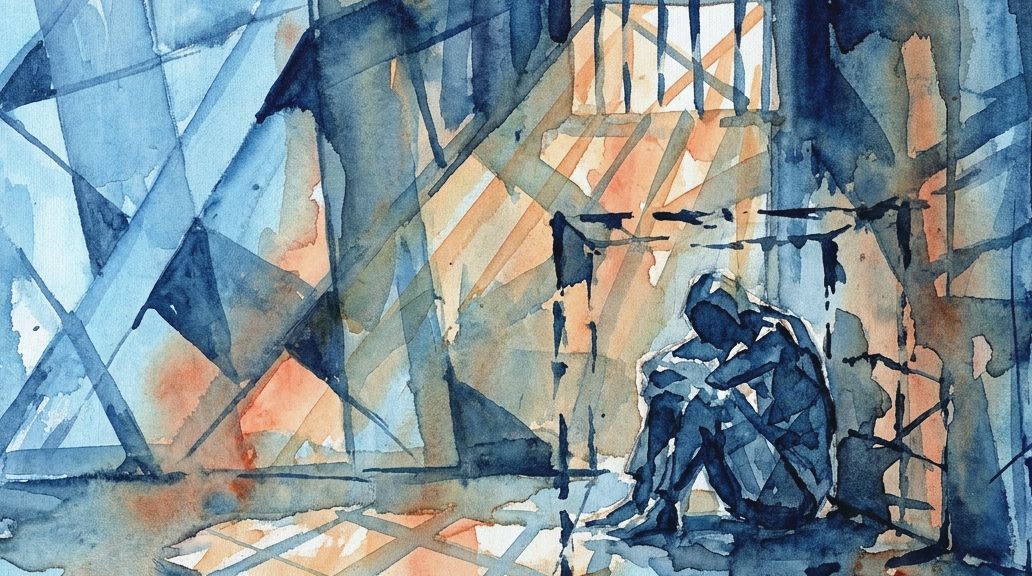
So how does a person survive almost three weeks alone in a holding cell? Part luck, part human hardiness, part the fact that the cell was not a tomb. He was deprived of normal comforts, clearly shaken, but alive when finally discovered after a neighboring jailer heard banging. The medical reports say weight loss, dehydration signs, confusion, the kind of physical and psychological strain you only read about in survival manuals and terrible romcoms where someone learns to appreciate themselves by losing their phone.
The reason this will always be one of my favorite survival facts is the tone: it is less 'against the elements' than 'against the bland machinery of systems that assume everything filed will stay filed.' You do not picture a heroic MacGyver moment-no rope bridges, no dramatic cave exit-just the quieter, more absurd heroism of not being logged into a computer system long enough to become a ghost.
I remember reading about Andreas on some long, distracted flight and thinking of all the ways modern life forgets people: unsubscribed emails, abandoned plants, friends left on read. Andreas was the extreme version. Also the dramatic version: you could not make this up without feeling like you were cheating on plausibility.
Survival stories usually celebrate cunning and endurance in nature. This one is a tiny, miserly rebuke to institutions: humans can survive more than we give them credit for, even when the adults in charge are filing forms. It is wild, darkly funny, and very, very true.