
When My Brain Forgets Faces (Prosopagnosia)
Category: Psychology & Brain 20th July 2026
I have this petty, dramatic fact about myself and a bunch of strangers: some people's brains treat faces like badly labelled Spotify playlists. My brain can hear your voice, register your haircut, literally remember the exact jacket you wore in 2019, and still go 'nope' at the face. That condition is called prosopagnosia, or face blindness, and it exists as both a congenital thing (developmental) and something that can land on you after a stroke, head trauma, or rare brain injury.
Here is the actual, boringly precise weird part: developmental prosopagnosia probably affects roughly 2.5% of the population-about one in forty people. People with it are not stupid, aloof, or rude; they just have a specific failure of the brain systems that recognise faces. You can know a person intimately-their laugh, their coffee order-and still blank at their face like you've been dared to perform a polite crime.
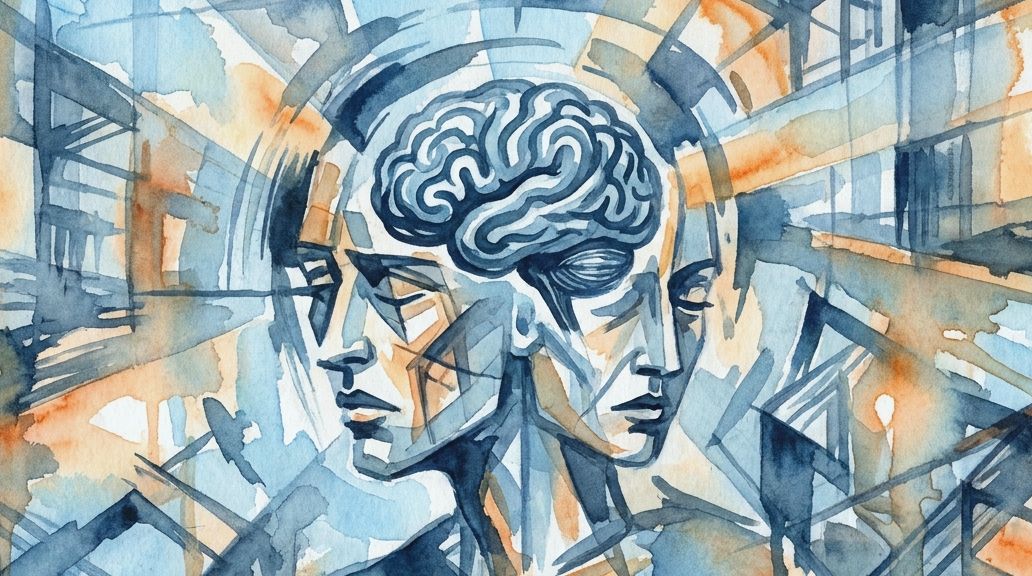
Diagnosis is not guesswork: neuropsychologists use tasks such as the Cambridge Face Memory Test to check whether your ability to memorise and identify faces is off compared with the rest of your cognition. Neuroimaging shows that the fusiform face area and related networks behave differently in prosopagnosia. Weirdly, some folks still show subconscious reactions to familiar faces-sweat, a blip of recognition on scans-even when they can't consciously say who it is.
The coping strategies are gloriously creative. People lean on voices, hairlines, glasses, boots, posture, perfume, the way someone walks in a doorway. I personally keep a mental contact sheet: hair, teeth, voice, shoes, phone case. Once I waved enthusiastically at a stranger because their coat matched someone I love; we both lived through it and then ordered separate coffees.
If you know someone who consistently misidentifies people, it's not malice-it's neurology. Say their name, wear a sticker, introduce yourself every time like a polite, small-scale weather report. Also, never underestimate the small joy of teaching your brain a face; it is stubborn, messy, and occasionally wins back its connections like a tiny, reluctant hero.