
Bucky's Dymaxion Disaster
Category: Invention Fails 25th July 2026
Honey, Buckminster Fuller had a knack for making modern problems sound like bad habits: fix the house, fix the city, hell, fix the automobile. In the early 1930s he rolled out the Dymaxion car-an aerodynamic, teardrop-shaped, three-wheeled machine that looked like a bathtub got ambitious. Promised wonders: space for a crowd, blistering efficiency, and a futurist's swagger that would make traffic feel apologetic.
The thing was clever on paper. Fuller designed it to slice wind like butter, with a rear-wheel steering layout and a body built around lightweight construction. He billed it as roomy enough for a handful of passengers, astonishingly economical, and capable of startling speeds for its day. It was the sort of idea that dazzled design fairs, sketches, and the sort of magazine spreads that put the future in a suit and tie.
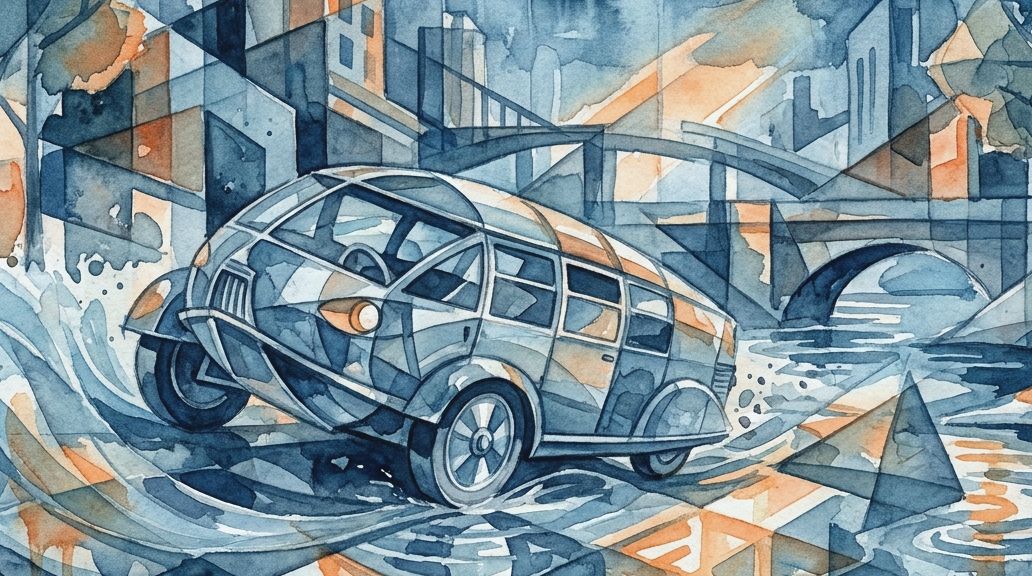
Reality, as it so often does, slammed the brakes on the fantasy. Three-wheeled physics and rear steering have a temper, and the Dymaxion's handling quirks made drivers uneasy. Crosswinds and high-speed maneuvers were not the car's friends; it could feel twitchy, unpredictable, and, in a word, unsafe to the people actually trying to get from A to B without auditioning for stunt work. Add a Depression-era market that was allergic to pricey novelties and manufacturing headaches, and you can see why investors politely backed away.
Only a handful of prototypes were made and the grand commercial rollout never happened. Fuller kept talking big ideas; the public wanted a dependable cab, not a rolling promise that needed a prayer and a parachute. Today the Dymaxion survives as museum eye candy and a cautionary tale: brilliant design, tragic market sense. Design students adore it; drivers who pay their own insurance, not so much.
Look, I love a dreamer as much as the next retired gossip with a softened purse and hard opinions, but the Dymaxion taught a sharp lesson-innovation needs handling, literally and figuratively. You can sell the future all you like, but if the steering makes people sweat, the future waits for someone with better brakes.