
Dyatlov Pass: The Tent They Left Inside Out
Category: Unsolved Mysteries 30th July 2026
Alas, one of the planet's most theatrical mysteries begins with the simple, miserable act of cutting a tent. In the dead of winter 1959 a party of nine experienced hikers led by Igor Dyatlov pitched on the slopes of Kholat Syakhl in the northern Urals, only to abandon their shelter in panic. When searchers found the cut tent days later, the scene looked like an argument with the weather, a government memo and common sense all at once.
The details read like a very bad novel. The occupants fled barefoot into subzero night; some bodies lay close to the camp, some many metres away, as if the mountain had decided on staggered exits. A few of the victims carried grave internal injuries inconsistent with a fight in the snow: fractured skulls and broken ribs with little external bruising, and, in certain reports, traces of unusual radioactivity on clothing. The site was catalogued, photographed and then politely guarded with the enthusiasm of a committee convened to discuss curtains.
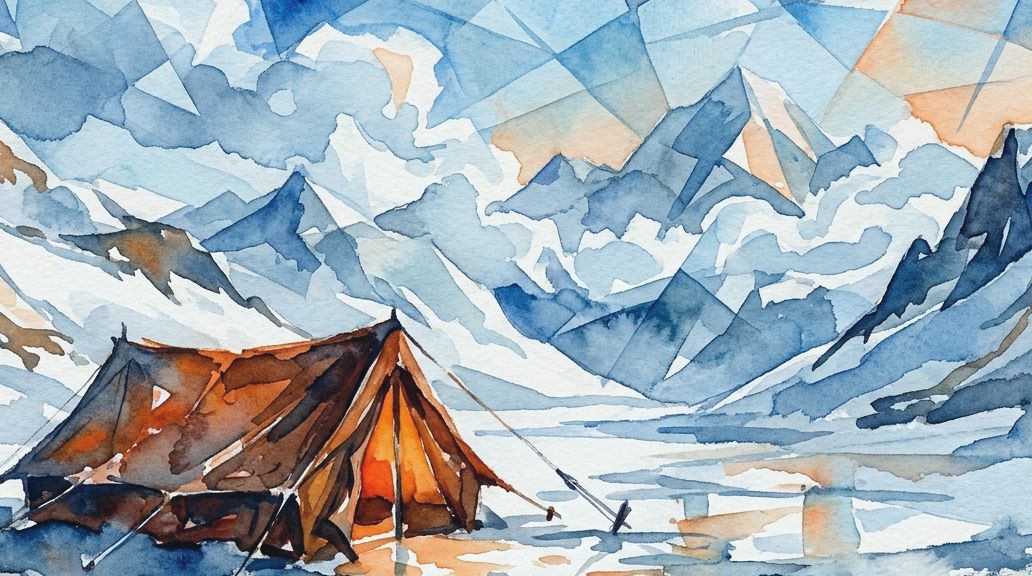
Officialdom has not been shy of answers. Soviet investigators suggested an avalanche, resettled reporters suggested skiing-mad students, and years later the Russian authorities closed the file after saying a slab avalanche and weather accounted for it. Independent thinkers, by which I mean conspiracy-prone and charmingly obstinate people on the internet, have offered missile tests, secret weapons, infrasound-induced terror, and the always-respectable Yeti alternative. None of these explanations comfortably fits every nickel and knitting needle of the case.
Allow me a modest observation: human systems of explanation are strangely like certain cheap tents. They promise coverage, then collapse under wind. The Dyatlov case is an exercise in patchwork logic. Evidence exists, but the pattern refuses to be sewn into a neat coat. The presence of inexplicable injuries, odd clothing choices, and the odd bureaucratic lacunae make it deliciously stubborn.
Years ago, on a blustery hillwalk that left my socks damp and my dignity impaired, I learned that mountains do not speak in full sentences; they whisper in absences. Dyatlov Pass keeps whispering. It is not solved, it is not satisfied, and until someone reproduces the precise mixture of fear, cold and bad luck, it will remain an impeccably organised deficiency of explanation.