
Devon's Phantom Hooves
Category: Unsolved Mysteries 22nd July 2026
Out on a bitter February morning in 1855 the good folk of Devon opened shutters and found their snow dressed with a daft procession of hoofprints, as if someone had walked the county in slippers borrowed from a goat. The marks cropped up over roofs, across barnyards, on top of haystacks and, bafflingly, over garden walls and chimneys - places four-legged creatures were not supposed to saunter. Local papers ran it like a serial: astonishment, speculation, and a pinch of theatrical panic.
The prints were described as cloven or split-hoof shaped, neat and regular, marching off in lines that sometimes seemed to ignore fences and doors. Witnesses swore they continued for miles; farmers and children followed them like a county-wide treasure hunt until the snow melted and left only gossip. Remember, this is mid-19th-century England: no viral videos, just ink, tea, and an appetite for a good impossible story.
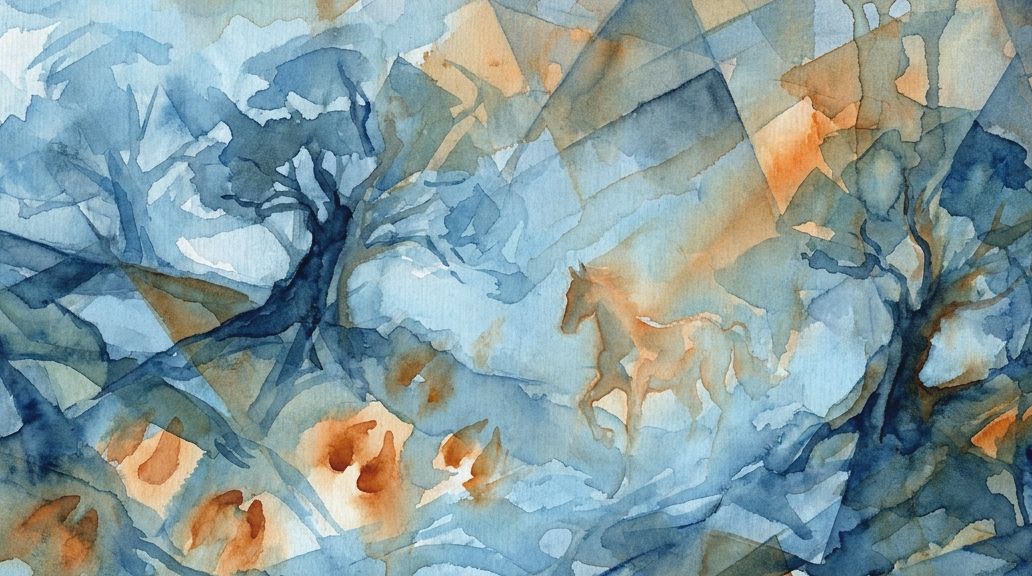
The theories arrived like relatives at a funeral. Escaped menagerie animals got a polite hearing - Victorian travelling shows did bring exotic beasts to the countryside - and some pointed at badgers or deer acting like they had had one too many sherries. Others muttered hoax, youngsters carving prints to liven up a dull winter, while a few, more romantic sorts, suggested meteorological mischief or something that sounded suspiciously like the devil on holiday.
Modern folk like their neat explanations, but none fits every quirk: the prints' neatness, their willingness to cross obstacles, and the way they showed up in scattered, simultaneous reports across villages. Scientists and folklorists later nodded and offered plausible mechanisms, from wind-borne objects to optical tricks, but the headline that sold best at the time - and keeps selling in retellings - was the mystery itself.
I spent years listening to old-timers spin ghosts and practical jokes; the Devon hoofprints have that same delicious stubbornness. They refuse to settle into a single answer and therefore keep the story alive. For my money, it is exactly the sort of small, communal riddle that Britain does best: equal parts alarm, eyewash, and the most patient kind of wonder. Whatever walked those roofs in 1855, it left behind the only thing a proper mystery should - a question that refuses to be buried by the thaw.