
CueCat: The Cute Plastic Spy
Category: Invention Fails 30th May 2026
Genuinely, the year 2000 felt like the internet was a treasure hunt and someone handed out tiny plastic cats as maps. The CueCat was a cheap barcode reader shaped like a squashed cartoon cat that publishers bundled into magazines and promos so people could scan printed codes and jump to websites. The idea sounded dreamy: skip typing URLs, press a button, be whisked away to content, and maybe buy a weird lamp nine clicks later.
Except the dream had claws. The CueCat needed desktop software that linked scans to a hidden identifier in your computer, and that little ID let the company correlate which magazines you read with which web links you opened. Privacy advocates and tech folks noticed fast and loudly. It was less of a bridge between print and web and more like someone mailing you a polite stalker with whiskers.
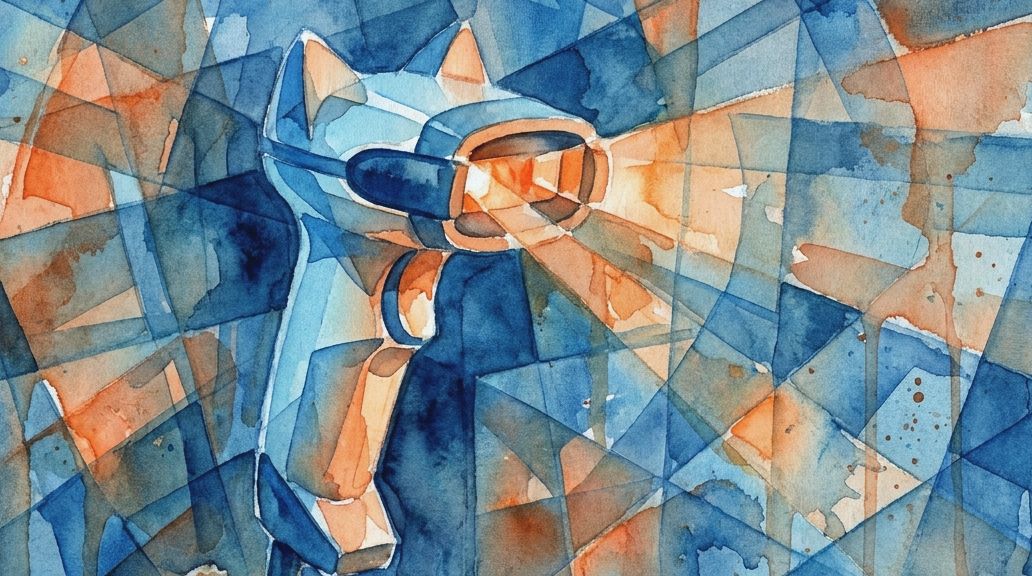
Businesswise it was also a mess. People didn't want extra software, magazines hated stuffing their issues with hardware costs, and the dotcom market collapsed into a funk so deep you could drown in a banner ad. CueCat's novelty wore off the moment you realized a scanner shaped like a novelty toy was worse than just googling. Also hackers, being hackers, reverse-engineered it and turned the devices into ironic trophies: CueCats flooded auctions and basements like a tiny plastic diaspora.
I once found one in a thrift-store basket under a stack of Beanie Babies and felt a weird nostalgic shame. It was both hilariously earnest and ominously naive: someone believed physical-to-digital shortcuts would fix human typing, and also that people would let a company track which coupons made them emotional.
The company behind it, Digital Convergence, tried to pivot and kept pitching the commodity as a legitimate consumer bridge, but the combination of clunky UX, suspicious tracking, and an economy that suddenly remembered fiscal reality finished it. The CueCat lives on now as a perfect little relic - a museum piece for the dotcom era when we were willing to let cute plastic solve trust issues for us.