
When Your Brain Decides You're Dead
Category: Medical Oddities 27th May 2026
Sometimes the brain throws a tantrum bigger than a Manhattan diva and Cotard's delusion is that tantrum in full opera voice. Folks who have it can be absolutely convinced they are dead, that their organs have vanished, or that they themselves simply do not exist. This is not poetic despair or melodramatic attention-seeking; it is a bona fide clinical syndrome where reality gets politely uninvited.
The name comes from a 19th century French neurologist, Jules Cotard, who described patients with these nihilistic beliefs. Clinicians call it a nihilistic delusion: patients deny parts of their body, insist they are already buried, or believe their children are impostors. It turns out the brain can be both theatrical and bureaucratic about erasing you.
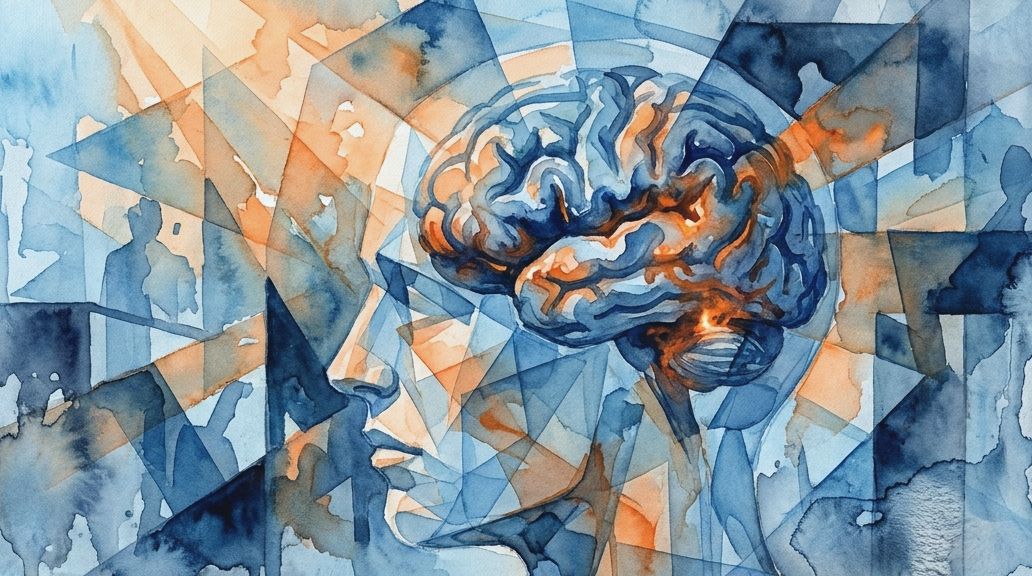
It shows up in several settings: severe depression, psychotic disorders, and some neurological illnesses like stroke, dementia, or epilepsy. The mechanism is complicated and not a single villain; networks that build a sense of self, emotion, and bodily awareness get muddled. The result can be devastating-people stop eating because they believe they have no stomach, or they refuse treatment because, in their minds, there is nothing left to treat.
Here is the twist that spares a little drama: it is treatable. Antidepressants and antipsychotics help many patients, and in the most extreme or medication-resistant cases electroconvulsive therapy often delivers surprisingly swift improvement. Yes, ECT gets a bad rap in cheap thrillers, but in Cotard's it can be lifesaving and restorative of a person's sense of being alive.
I remember, years ago when I used to sniff out odd hospital yarns, listening to a nurse explain how compassion mattered more than arguments. If your cousin swears they are dead, theology and reassurance are useless; a calm clinician, a proper assessment, and timely treatment are the ticket back to the living.
It is one of those medical oddities that reads like gothic fiction but belongs in neurology and psychiatry textbooks. Dark, strange, and utterly human-our brains will surprise us, and every now and then they try on mortality for size, then need a bit of expert help to take it off.