
When Paris Printers Went After the Cats
Category: Forgotten History 12th May 2026
Picture a dingy printing shop in Paris in the 1730s, where the lads who set type lived two a bed, worked dawn till the owl showed up and ate worse than a knocked-over rat. Those apprentices - cranky, hungry, and treated like movable furniture - decided to settle their score with the one thing their masters loved most: their cats.
The episode, later dubbed the Great Cat Massacre, sounds like a punchline but it was no joke to contemporaries. The apprentices stole the cats that lounged in the well-to-do houses nearby, paraded them in mock processions, held a sort of burlesque trial, and then killed them. It was raw, theatrical, and very deliberate - a grotesque carnival staged in the shadow of the printing press.
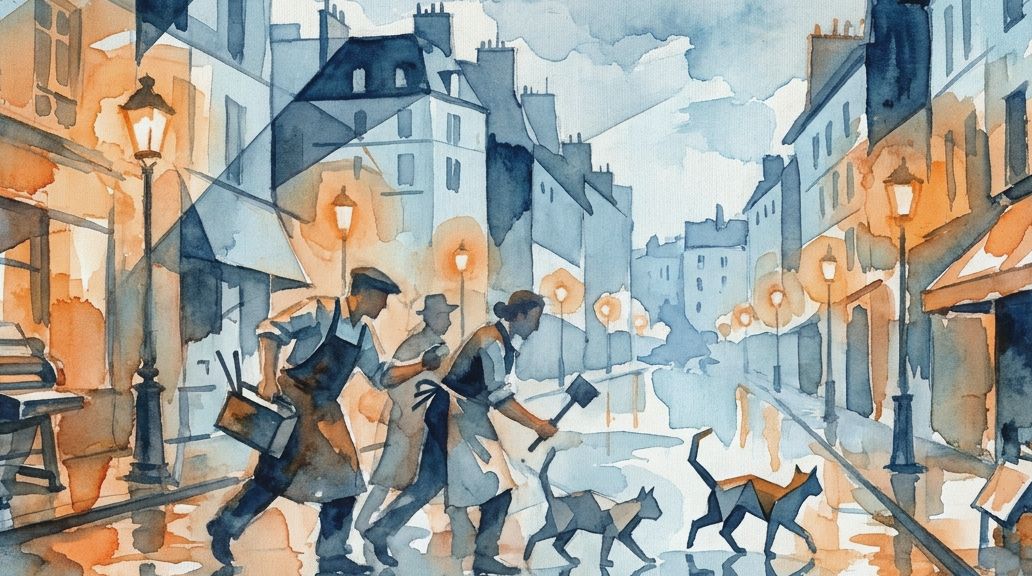
A modern reader might be tempted to call it mindless cruelty. Robert Darnton, the historian who made the affair famous in his book, argued otherwise: this was symbolic theater. The cats stood for bourgeois comforts, for the cozy relationships between masters and maids. By humiliating the pets, the apprentices were flipping the script, turning domestic peace into public scandal. It was protest in fur and claws, the only language calmer heads would not have understood.
What do you make of people who chant and march today? Same business, different costumes. Only this crowd used felines as props, which gives it a theatrical nastiness that keeps historians and moralizers busy debating motive and meaning nearly three centuries on. If you like your history tidy, you will not like this chapter. If you like it messy, noisy, and weirdly revealing, it is a goldmine.
Funny thing: I have a soft spot for scandal, especially the kind that smells faintly of incense and bad decisions. The Great Cat Massacre is a reminder that rebellion often dresses itself up as mischief, and that the language of the downtrodden can be savage, inventive, and more theatrical than polite society ever imagined.