
Camouflage Is For Soldiers, Not Your Saturday Shop
Category: Strange Laws 10th June 2026
Several countries, rather inconveniently for anyone with a fondness for khaki and a Tesco clubcard, forbid civilians from wearing military-pattern camouflage. The Bahamas, Barbados and Nigeria are among the better-documented examples: their statutes make it an offence for unauthorised persons to don camouflage, on the sensible premise that uniforms should not be the costume department for weekend adventurers.
The rule is less about aesthetics and more about impersonation and public safety. If one may parade about in soldierly attire without sanction, there is a real danger of people assuming authority where none exists: commandeering vehicles, bullying queue-keepers, or causing an over-enthusiastic checkpoint to have a small nervous breakdown. Lawmakers, having watched one too many rogues attempt to hobnob with power, decided to tidy the matter legislatively rather than trust good manners.
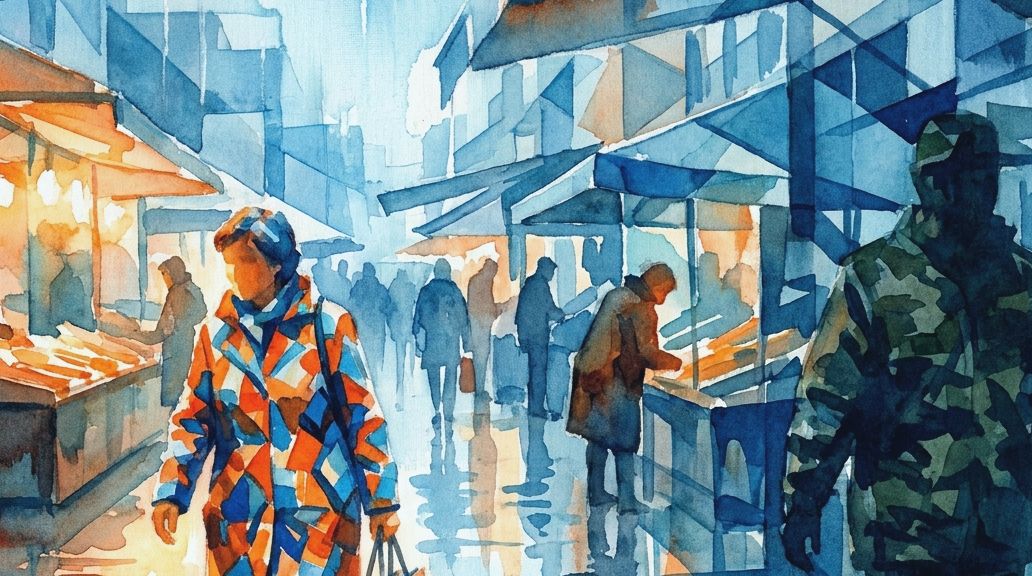
Sensible exceptions exist. Members of the armed forces, police and licensed security personnel remain at liberty to wear camouflage with all the official pomp that implies. Costume shops, re-enactors and theatrical productions ordinarily manage by using clearly marked props or non-regulation patterns. But the minute your mud-splattered weekend hobby morphs into a uniform indistinguishable from a serving soldier, you are flirting with an offence.
The origin of these prohibitions is rather prosaic: many former colonies inherited strict rules on military dress from earlier administrations, and post-colonial governments kept or adapted them because they work at stopping impersonators and deterring criminals who think a jumper with patches confers legitimacy. It is the law doing the pruning: removing ambiguous authority from the public wardrobe.
Years ago, back when I still believed one could trust a man in a flat cap, I nearly saluted a fellow in full camo at a village fete. I was saved only by his purchase of a scone. The cautious lesson: if you admire the look, please do wear it in tasteful contexts; if you intend to wear it where someone might misunderstand your rank, consult the statute book first, or else prepare for the small, soul-cleansing embarrassment of a polite reprimand from someone who does, in fact, have the right to bark orders.