
Dead Hands That Refuse To Let Go
Category: Morbid Curiosities 21st July 2026
Listen, nothing says morbid theatre like a hand that will not open. Cadaveric spasm is the forensic name for that awful, dramatic moment when a body freezes in the exact position of death, sometimes clutching a weapon, a rope, or another human with a stubborn, unyielding grip. It is not the slow, polite stiffening of rigor mortis; it is instant, violent and stubbornly localised.
Forensic pathologists treat cadaveric spasm as distinct from the common postmortem stiffness everyone knows about. Rigor mortis creeps in over hours and affects whole limbs; cadaveric spasm locks certain muscles immediately at or near the time of death and can survive the usual interventions that make bodies relax. The result looks like a snapshot of the final struggle, preserved in muscle and tendon.
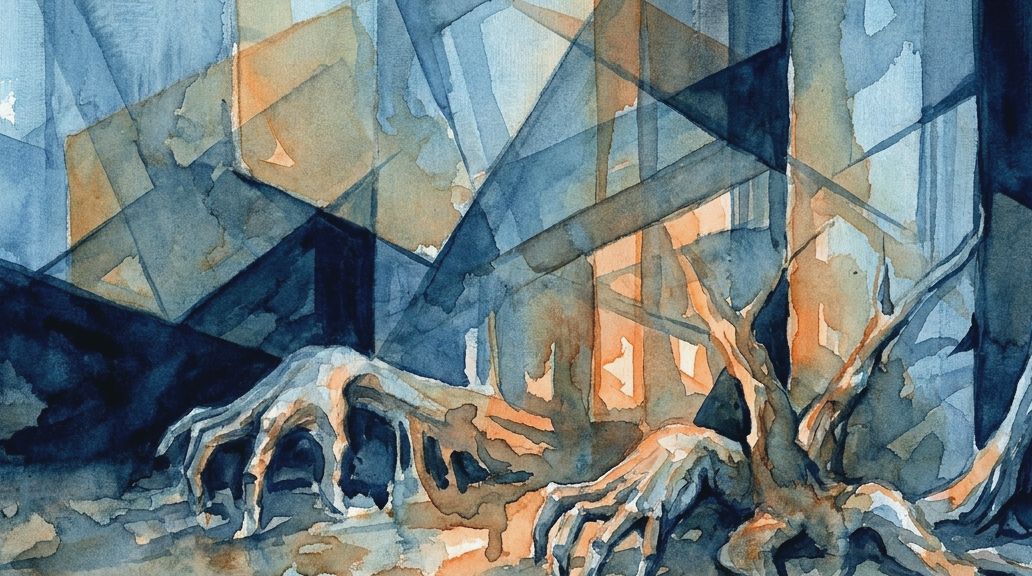
When does it turn up? In violent, high-adrenaline endings: sudden electrocution, strangulation, drowning with frantic movements, explosions, or intense physical exertion. A hand found clenched around a knife, or a victim still gripping the steering wheel after a catastrophic crash, can be the work of cadaveric spasm. That grip becomes powerful forensic evidence because it suggests the object was held at the moment of death rather than placed there later.
The precise physiology is tidy enough to be useful and messy enough to be debated. The short version: powerful contraction at death combined with rapid metabolic collapse seems to lock the muscle fibres before they can relax; ATP runs out, calcium floods the fibres, and the cross-bridges seize. Experts differ on details, but they agree the effect is real and forensically significant.
It is also, frankly, theatrical. You can stand in a mortuary and watch an explanation of someone's last, terrible seconds frozen in muscle. For families and detectives alike, cadaveric spasm is a grim perfection: it refuses to lie. And as with any good bit of machinery, if you find a hand clenched tight, you are looking at evidence with attitude.