
The Boy in the Box That Keeps Knocking
Category: Unsolved Mysteries 29th July 2026
Weirdly, the cardboard box felt like the only honest bit of the story - a mute prop that refused to explain itself. In February 1957 a boy's body was found in a shallow grave inside a cardboard shipping box in a wooded patch of northeast Philadelphia. He was small, estimates put him around four to six years old, and no one ever claimed him. The case slammed into the headlines as the 'Boy in the Box' and then, like a bad song on repeat, it moved into the catalogue of things we keep looking at but not fixing.
The medical examiners gave us details like discordant confessions: his hair was cut, he had healed and fresh injuries, and there were signs of long term neglect. Police ran hundreds of leads, faces were sketched, and families rifled through memory like old receipts. Reconstructions were made, newspaper columns followed, charity pamphlets printed his silhouette. None of it brought a name. He acquired a few epithets over the years, but names are the things that make people real and he kept evaporating before a proper one stuck.
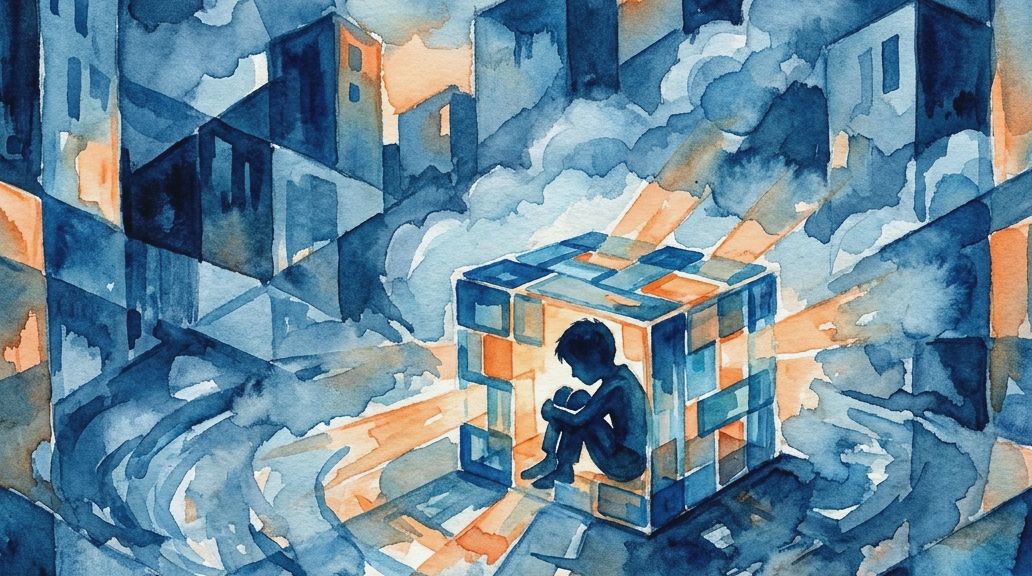
I know how it sounds to be dramatic about a cold case. But something about a child buried in a box feels like a social scar you can still prod with your finger. The case has threaded through community myths, conspiracy corners, and forensic advances that promised to do the polite, modern thing and identify him. DNA, dental records, facial approximations, tip lines, web sleuths with notebooks and bad coffee all tried. The box sat through all of it like a tiny, taciturn judge.
There are theories - tragic foster scenarios, transient families, deliberate erasure - but theories are theatre, not evidence. What remains is a child with no paper trail, no social media, no birth certificate and a whole lot of people who will not stop asking who he was. That unresolved void is why the case refuses to be just another old file.
The real cruelty is the smallness: no identity means no proper eulogy, no family story to pass on at holidays, no grandmother who gets to tell embarrassing bedtime tales. It feels petty to say he has better PR than a lot of mid-tier influencers, and still that bluntness is true in a way that makes you laugh and then look away.
Sixty years on, the Boy in the Box is both an unsolved puzzle and an ethical itch. We have more tools than ever to find a name. Whether we ever do is partly forensic and partly collective will: do we want to stop letting a child be a permanent footnote? I keep hoping someone else with better patience and worse taste for closure will knock on that cardboard and finally open it.