
You Didn't Make the Mother Bird Ghost Her Baby
Category: Modern Myths 5th July 2026
Listen: the backyard morality play where you, sweaty and apologetic, touched a fallen nestling and then carry two centuries of collective guilt like a tiny, feathered frown? Yeah, that show is fiction for most species. The viral chestnut that human hands are a scent-shaped curse and will cause a bird to abandon its young is mostly a modern myth, born of good intentions and terrible folklore.
Science and sensible bird people say something a bit more boring but infinitely kinder: for most songbirds and common urban species, parents do not abandon chicks because of human scent. Many of these birds rely more on sight and sound than smell, and returning a baby to its nest or nudging a fledgling out of danger usually results in parents going about their business - which is feeding, screaming, and occasionally scolding you like a tiny, relentless angel.
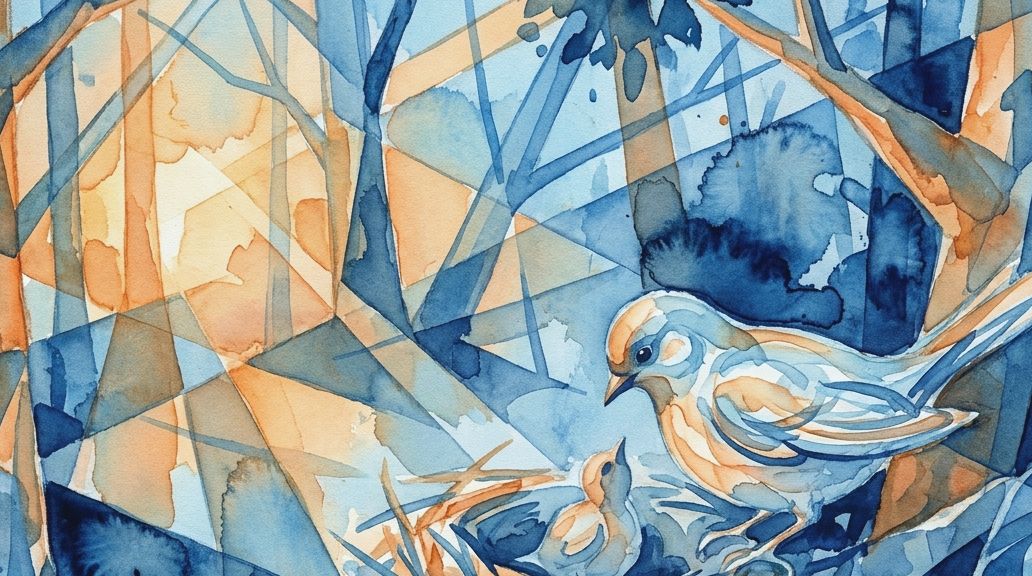
That said, nature is fussy and loves exceptions. Some seabirds and burrow-nesting species, like certain petrels and shearwaters, actually use smell to find mates, nests, and chicks; colony birds can be olfactorily picky. Disturbing a nest repeatedly, trampling habitat, or leaving it obvious to predators will absolutely increase the chance of abandonment - but that is about disturbance and risk, not your DNA perfume.
So practical cheat sheet: if you find a baby bird that looks uninjured and fits the nest, gently put it back and back away. If it is a fledgling (fluffy, hopping, learning to be a drama queen), parents often still feed it on the ground; leave it be unless it is in immediate danger. And if you're anywhere near a seabird colony, do not be cute. Bring binoculars, self-control, and a profound respect for smell-based drama.
I touched a robin when I was small and panicked; the mother screamed like a tiny motorcycle and lived to lecture me another morning. That memory is proof that birds are theatrical, humans are anxious, and most myths about our scent betraying baby birds are just stories people told to stop other people from being useless near nests - which, in fairness, is not the worst origin story for a myth.