
When Your Sofa Turns Into a Dollhouse: Alice in Wonderland Syndrome
Category: Medical Oddities 19th February 2026
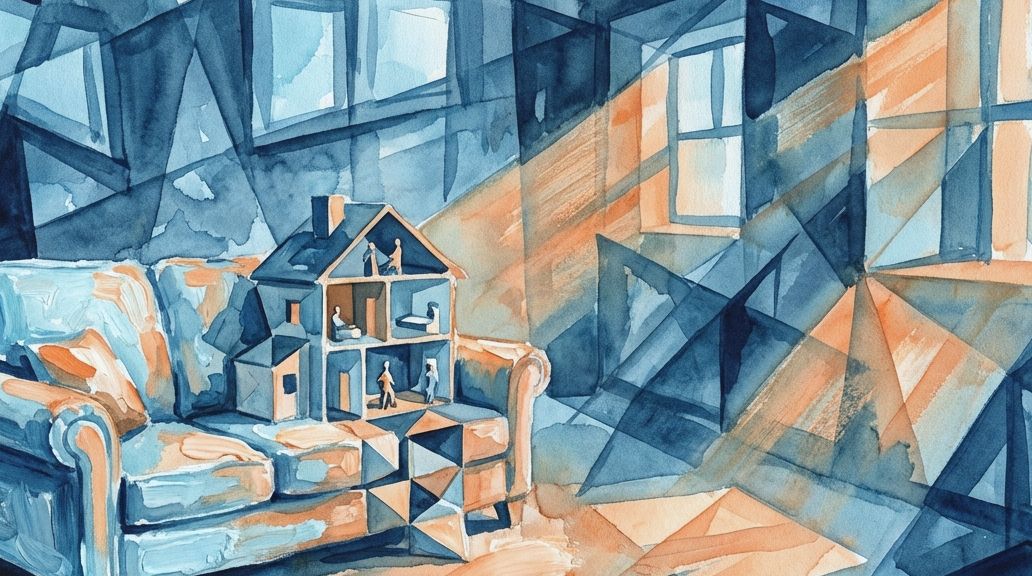
Listen, New Yorkers, we already live in a city that distorts reality on a good day, but Alice in Wonderland syndrome is the kind of brain trickery that makes your apartment actually look like a dollhouse. It is not a fairytale; it is a recognized neurological oddity where size, shape and time go on a bender.
Doctors use words like micropsia and macropsia to sound clinical while your eyes report that the subway pole is suddenly the size of a toothpick or your dog resembles a pony. Folks describe walls breathing, hands growing tiny, clocks stretching into slow motion. Sometimes sound and body image get mixed up too, so your own limbs can feel foreign or too large to fit through a doorway.
This is most often a feature of migraine aura, which is fancy doctor talk for the visual fireworks some people get before a migraine hits. But it does not stop there: epilepsy, certain infections like Epstein Barr virus, and other brain disturbances can spark the same type of perception wobble. Kids get it more often than adults, and usually it is temporary. That said, if your world goes wonky, see a neurologist; reassurance is part of medicine and so is checking for an underlying cause.
Treatment is not glamourous. You treat the trigger. If it is migraines, you talk about prevention and take sensible meds. If an infection is to blame, treat the infection. Most people recover fully and the distortions fade, which is a relief unless you rather liked your temporary touring of Wonderland.
I remember when editors used to holler about colorful copy; this beats that. There is a strange, human poetry to a brain that borrows from Lewis Carroll while staying stubbornly biological. It is bizarre, sometimes scary, often brief, and the sort of clinical curiosity that keeps neurologists entertained and the rest of us grateful our apartments mostly stay their usual size.