
France's Floating Train That Never Rode
Category: Invention Fails 11th July 2026
Once the French built a train that hovered like a drunk at a cocktail party and they actually expected it to change railways forever. Jean Bertin's Aerotrain was a gleaming, cigar-shaped contraption that floated on a cushion of air above a concrete guideway, which made it look like a puffed-up baguette gone futuristic. In the 1960s and early 1970s the prototypes whooshed down test tracks and managed speeds over 400 kilometres an hour in trials-properly fast for the time.
The daft part, as I like to tell anyone who'll listen, is not that it worked; it was that it was gorgeous and impractical in equal measure. The Aerotrain needed a bespoke elevated track, a special maintenance regime and a public purse with a very long attention span. France, bless its dramatic heart, had the will to build the machine but not the appetite to rebuild the whole country around it. By the mid 1970s politicians decided to bet on the TGV: a conventional steel-on-steel high-speed train that needed less fantasy infrastructure and, crucially, fewer parliamentary love letters.
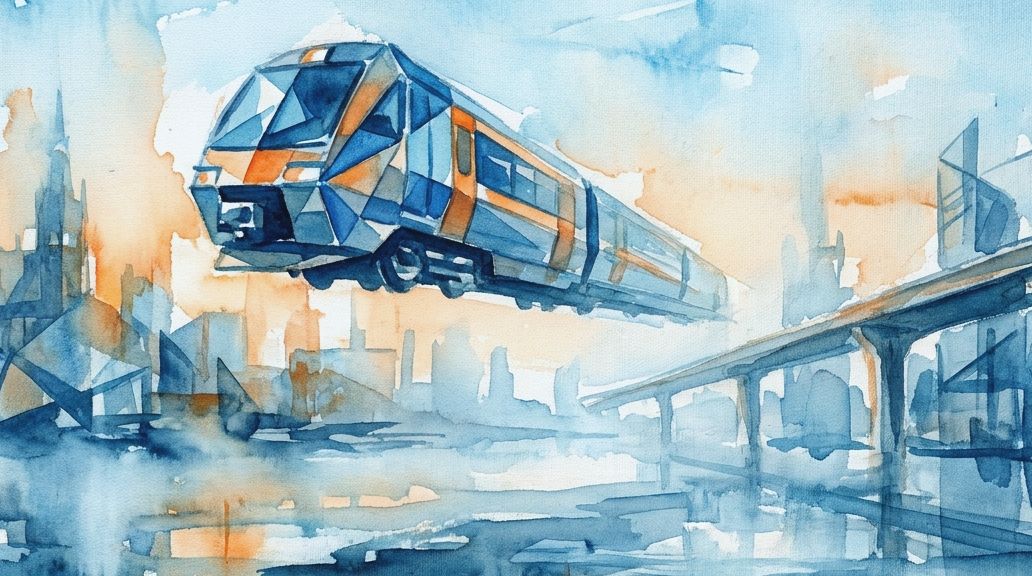
So the prototypes were mothballed, the testguide demolished and the Aerotrain-whose name even sounds like it belongs to a 1960s comic book-became a museum footnote. For a while you could visit bits of concrete and say, "I saw where beautiful nonsense lived." Later they tore even that up. I once stood near one of the old test sites, and darling, you could still hear the ghost of a propeller if you had the imagination and a bad ear for logistics.
There's a lesson here beyond the usual 'shiny things don't always win': innovation that demands a new city to be built around it rarely survives budget meetings. France chose incrementally sensible steel over airborne fantasy and the TGV paid the bills. The Aerotrain remains my favourite failed love affair between romance and civil engineering-spectacular, romantic and quietly bankrupt in the nicest possible way.