
When Your Hands Ghost Themselves
Category: Human Anatomy 26th May 2026
True story: there are people whose fingertips are smooth like a reset button because they were born without fingerprints - a condition called adermatoglyphia - and the sentence still sounds like a surreal indie film pitch. It is real, rare, and somehow perfectly inconvenient in a world built around thumbprints and touchscreens that assume your hands will behave like biometric employees.
Fingerprints form in the womb from a chaotic ballet of genes, skin, and little mechanical nudges while you float in amniotic jazz. In adermatoglyphia that choreography gets a different director: a gene called SMARCAD1 has been linked to the trait, and the ridges simply do not form. The result is not a horror show; it is literally smooth skin where whorls and loops should be. Most people with it are healthy, nobody grows new fingers or becomes a superhero, but they do get a lifetime of explaining themselves at immigration counters and app login screens.
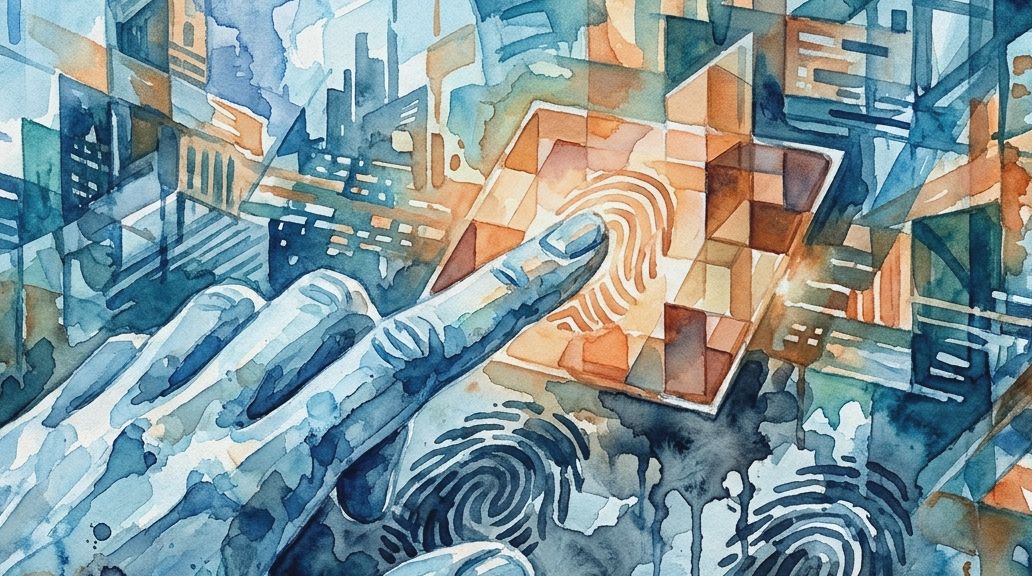
Practically: fingerprints help with grip and fine touch, so lacking them does have tiny consequences. Studies and case reports suggest only modest differences in tactile perception and handling slippery things, not a dramatic handicap. Socially: it is wild. Imagine being the person who cannot unlock a phone with their thumb, watching an app politely decline your identity like a bouncer you once dated. Years ago I spent a week convincing a rental place I was me; I empathize with anyone whose hands stage this level of passive-aggressive identity crisis.
There is also a nickname so deliciously bureaucratic it deserves an Oscar: "immigration delay disease". It is not funny when your boarding pass and customs forms start a soap opera over a thing you did not choose, but the phrase captures the absurd collision of human variation and modern paperwork. Anatomy is messy, evolutionary, and oddly personal. Your hands can be honest, messy, and unique - or in a few families, politely anonymous.